

Key Takeaways
Summary
24 items · 30-60 minutes per seasonal inspection
Why a Seasonal Approach Beats Guesswork
Most drivers think about car maintenance only when a warning light appears or something sounds wrong. By then, a small issue has usually become a more expensive one. A seasonal approach breaks the year into four logical windows - each timed to the mechanical stresses that come with changing temperatures, road conditions, and driving patterns.
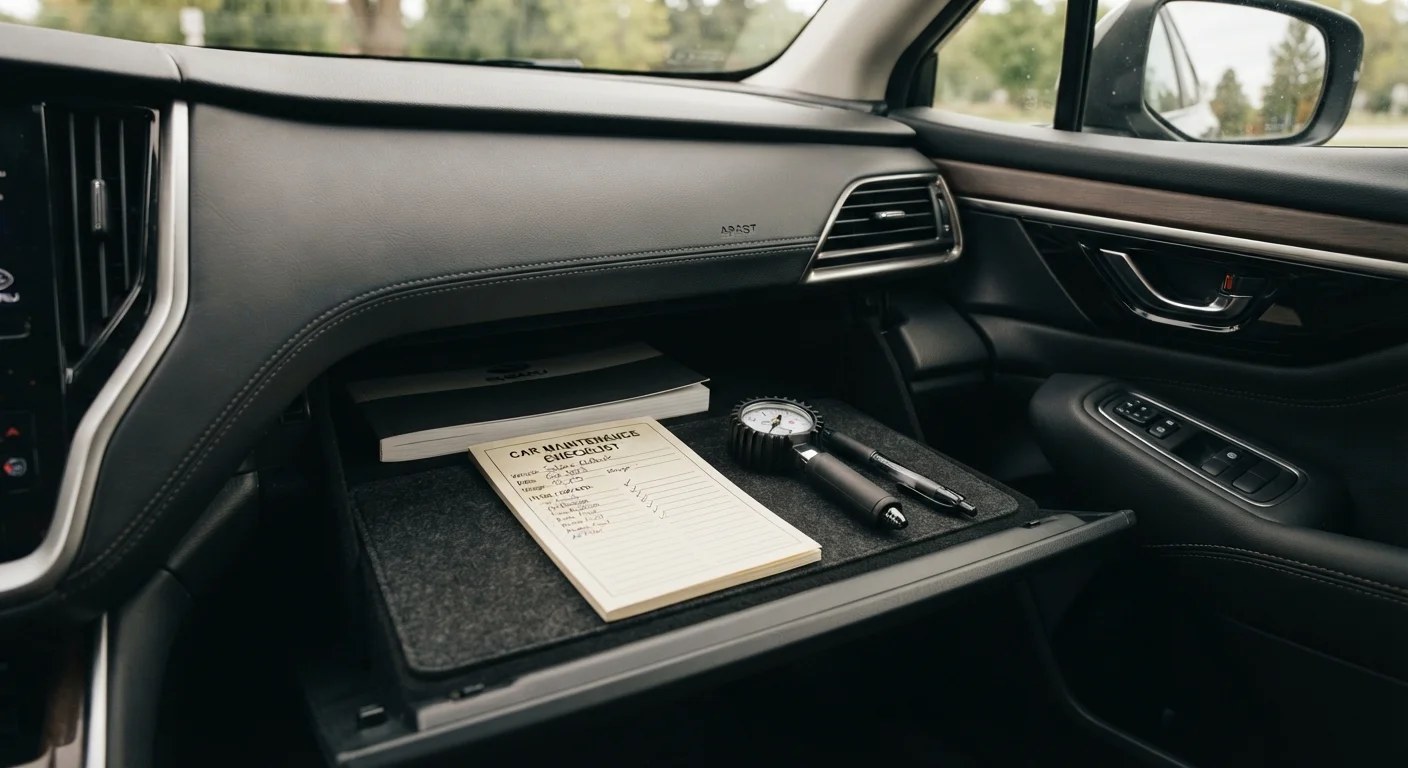
This checklist is organized so you can print it, fold it, and stash it in your glove box. Work through each section at the start of every season, and you'll catch the vast majority of common vehicle problems before they strand you. For deeper context on any of these systems, understanding your car's scheduled maintenance intervals is a useful companion to this list.
Spring - Recovering from Winter
Summer - Heat and High-Mileage Season
Fall - Preparing for Cold and Wet Roads
Winter - Cold-Weather Operation
Tools and Resources to Have on Hand
You don't need a full garage to run through this checklist. A few inexpensive tools make the process faster and more accurate. Keep the basics in your trunk or garage so nothing slows you down when it's time to inspect.
Tire Pressure Gauge
Accurately measures PSI in each tire so you can inflate or deflate to the vehicle manufacturer's recommended level.
Tread Depth Gauge
Gives a precise measurement of remaining tire tread, more reliable than the penny test alone.
Antifreeze/Coolant Tester
Tests the freeze-protection level of your coolant so you know it's rated for your area's winter temperatures.
Battery Voltage Tester or Multimeter
Checks battery charge level and helps identify a weak battery before it fails to start the vehicle.
Flashlight or Headlamp
Allows you to inspect underneath the vehicle, inside the engine bay, and into wheel wells in low-light conditions.
Printed Checklist
A physical copy kept in your glove box ensures you can run through the inspection anywhere, without needing a phone.
Once you've completed each seasonal check, record what you found and any service performed. Keeping a car maintenance log turns a one-time checklist into a long-term picture of your vehicle's health.
Don't Skip Checks Because the Car Seems Fine
Many of the most common causes of breakdowns - low coolant, a weakening battery, worn brake pads - produce no noticeable symptoms until they fail. A vehicle that drives normally can still be approaching a serious mechanical issue. Running through this checklist at the start of each season takes less than an hour and costs nothing beyond your time.
A Few Things This Checklist Can't Replace
A visual and functional inspection covers a lot of ground, but it has limits. Some issues - worn brake pads below the wear indicator, internal fluid contamination, or suspension wear - are easier to confirm on a lift with trained eyes. If any check raises a concern you can't resolve confidently, have a qualified mechanic take a look before the next season begins. For brake-specific guidance, brake maintenance for drivers who aren't mechanics walks through exactly what to listen and feel for without requiring mechanical expertise.
When in Doubt, See a Qualified Mechanic
This checklist is a general educational guide, not a substitute for professional mechanical inspection. If you notice anything unusual during your checks - fluid that looks contaminated, brake pedal feel that has changed, or a battery that won't hold a charge - have a licensed mechanic evaluate the vehicle before driving it further. Some safety-critical systems require professional diagnosis and equipment to assess correctly.
If you're heading into a long highway trip rather than a routine season change, the inspection priorities shift slightly. Preparing your car for a long road trip covers the additional checks worth adding before extended highway driving.