

Key Takeaways
Why Basements Are Prone to Moisture
Basements sit below grade, surrounded by soil that holds and moves water. Concrete and block foundation walls are porous by nature - they slow water but don't stop it entirely. Combine that with temperature differences between the cool underground space and warm indoor or outdoor air, and you have near-constant conditions for moisture problems.
Understanding this context matters because it shapes realistic expectations. A completely dry basement in a wet climate requires active, layered management - not a single product or one-time repair.
The Three Main Moisture Sources
Nearly every basement moisture problem originates from one of three sources, each with a different mechanism and different solution.
1. Condensation
Warm, humid air contacts cool basement surfaces - walls, pipes, or the floor slab - and water vapor condenses into liquid. This is the same process that fogs a cold glass on a summer day. Condensation is most common in warm, humid months and often mistaken for a leak.
2. Groundwater Seepage
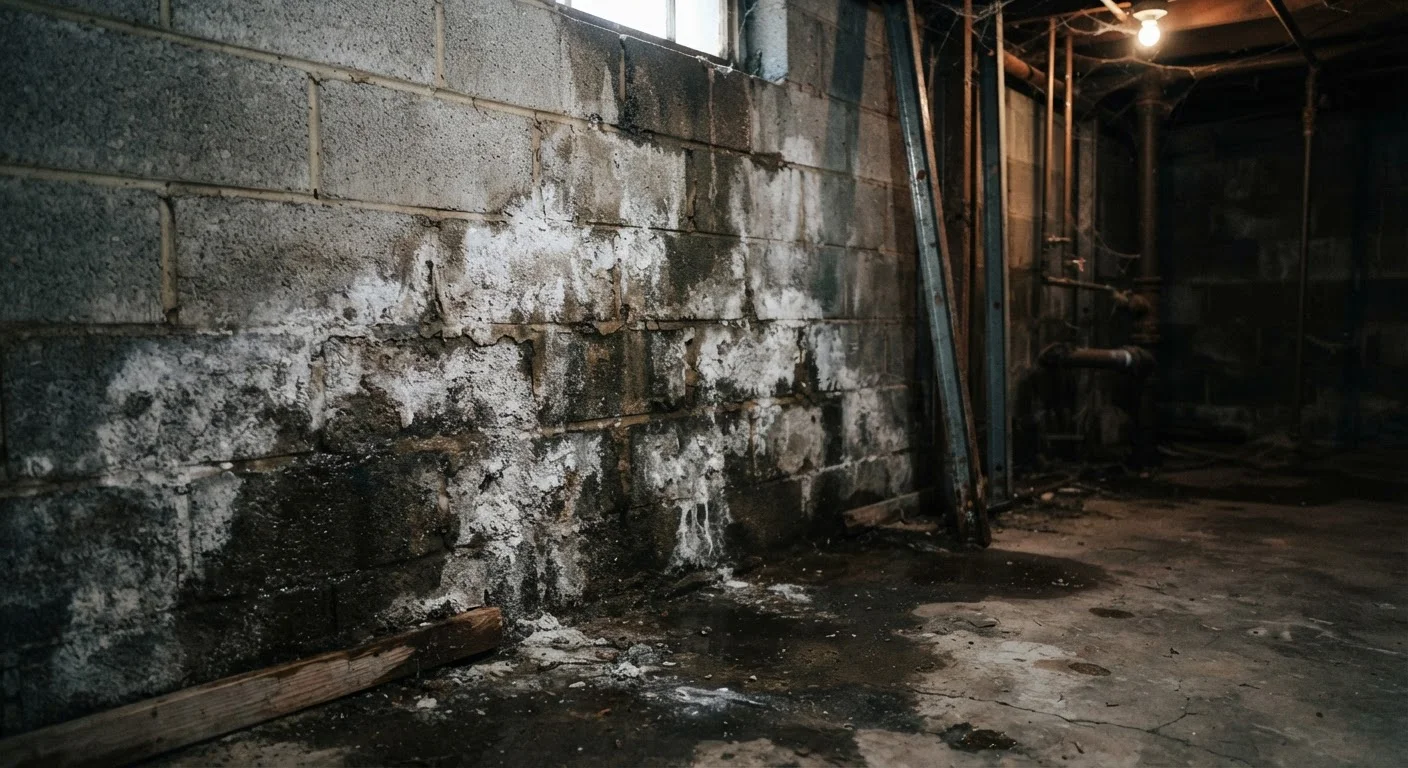
When the water table rises after heavy rain or snowmelt, hydrostatic pressure pushes water through foundation cracks, wall joints, and the cove joint where the wall meets the floor. Seepage typically appears as weeping walls, puddles near the base of the wall, or a damp floor slab.
3. Surface Runoff
Rainwater that doesn't drain away from the house flows toward the foundation and percolates downward. Poor grading, clogged gutters, and downspouts that discharge too close to the house are the most frequent culprits. This source is often the easiest to address without major intervention.
98%
Basements experiencing moisture at some point
The American Society of Home Inspectors has reported that nearly all basements will experience some form of moisture problem over the life of the home.
24-48 hrs
Time for mold growth to begin on damp surfaces
According to the U.S. Environmental Protection Agency, mold can begin to grow on wet building materials within one to two days of water exposure.
6 inches
Minimum recommended ground slope away from foundation
Building science guidance commonly recommends at least 6 inches of drop over the first 10 feet from the house to direct surface water away effectively.
How to Diagnose the Source
Before spending money on any fix, confirm which source you're dealing with. A simple test helps distinguish condensation from seepage:
- Tape test: Dry a small section of the damp wall thoroughly. Tape a 12-inch square of plastic sheeting tightly to the surface, sealing all four edges. Leave it in place for 24-48 hours.
- Read the result: If moisture appears on the room-facing side of the plastic, the problem is condensation - humid indoor air is to blame. If moisture appears on the wall-facing side, water is migrating through the wall from outside.
Also check your gutters and the ground slope around your foundation during or after rain. Water pooling within a few feet of the house points to a runoff issue. Look for white powdery deposits (efflorescence) on walls, which indicate minerals left behind by water that has repeatedly moved through the masonry.
Run the tape test during the season when your moisture problem is worst - summer for condensation, spring for seepage. Testing in the wrong season can produce a misleading result.
Condensation peaks in warm, humid weather while groundwater seepage is most pronounced after snowmelt and spring rains. Timing the test correctly ensures you're capturing the dominant moisture mechanism.
Check efflorescence patterns closely: a wide, fan-shaped deposit usually indicates water moving through a broad wall section, while a narrow streak suggests a specific crack or joint to target.
The shape and location of mineral deposits maps to the water's path through masonry, helping you pinpoint repair locations rather than treating the entire wall.
Consequences of Ignoring Basement Moisture
Moisture left unaddressed compounds into larger, costlier problems over time.
Mold Risk Is Not Minor
Sustained dampness creates conditions for mold growth that can affect respiratory health, particularly for individuals with asthma or allergies. If you see or smell evidence of mold beyond a small surface area, consult a qualified mold remediation professional rather than attempting widespread removal yourself. The EPA recommends professional assessment for mold covering more than 10 square feet.
- Mold and mildew: Mold spores can begin establishing colonies on damp organic material - wood framing, drywall, cardboard boxes - within 24 to 48 hours. Remediation becomes significantly more expensive once mold spreads.
- Structural damage: Repeated freeze-thaw cycles force water inside cracks to expand, widening them season after season. Over years, this can compromise the integrity of foundation walls.
- Wood rot: Floor joists and sill plates that sit in persistently damp conditions are vulnerable to rot and insect infestation, affecting the structural floor system above.
- Air quality: Musty odors from mold and mildew migrate into living spaces, affecting indoor air quality throughout the home.
- Reduced home value: Evidence of moisture or mold typically must be disclosed during a home sale and often triggers renegotiation or repair demands.
Controls That Actually Work
Effective moisture management matches the control to the confirmed source.
For Condensation
Run a properly sized dehumidifier and maintain basement humidity below roughly 50-60 percent. Insulate cold pipes to prevent surface condensation. Improve ventilation if the space allows it. These steps alone eliminate the problem when condensation is the sole cause.
For Surface Runoff
Regrade soil so the ground slopes away from the foundation at least 6 inches over the first 10 feet. Clean gutters twice a year and extend downspout discharge at least 6 feet from the foundation. These are largely DIY-friendly tasks that address the majority of runoff-related moisture. See what homeowners can reasonably tackle themselves for related guidance on evaluating DIY versus professional repairs.
For Seepage
Minor crack repairs using hydraulic cement or polyurethane injection can slow seepage in isolated locations. However, persistent or widespread seepage typically requires a more comprehensive approach. Basement waterproofing methods - including interior drainage systems, exterior excavation, and sump pump installation - are explained in detail in a dedicated guide.
Combine Controls for Best Results
Most real-world moisture problems involve more than one source operating simultaneously. Addressing runoff and condensation together - even before tackling seepage - often produces a dramatic improvement and may reduce the scope of any professional work needed.
Vapor Barriers
A polyethylene vapor barrier on the floor and lower walls reduces moisture migration from the soil. In a crawl space or unfinished basement, a 6-mil or thicker barrier properly sealed at seams and edges significantly lowers ambient humidity.
When to Call a Professional
Some moisture problems are beyond DIY scope and should involve a licensed waterproofing contractor or structural engineer:
- Horizontal cracks in block or poured concrete walls, which can indicate lateral soil pressure
- Bowing or leaning foundation walls
- Seepage that returns despite repeated patching
- Active flooding after heavy rain
- Suspected mold covering more than a small, isolated area
When evaluating contractors, ask for a written assessment that identifies the source, not just one that recommends a product. A reputable professional will diagnose before proposing a solution. Permits and inspections may be required for drainage system installation depending on your municipality - verify requirements with your local building department before any significant work begins.
This article provides general home maintenance information only. For structural concerns or significant water intrusion, consult a licensed contractor or structural engineer qualified in your area.