

Key Takeaways
Start here
Understanding Your Home's Core Systems
Next
Monthly and Seasonal Tasks to Put on Your Calendar
Then
DIY vs. When to Call a Professional
Finally
Building a Maintenance Habit That Sticks
Understanding Your Home's Core Systems
Before picking up a tool, every first-time owner should take a walkthrough specifically to locate and understand the key systems that keep a home safe and functional. These include:
Water main shutoff
A valve - usually near where the water supply enters the home - that stops all water flow to the house when turned off. Knowing its location is critical during a plumbing emergency.
GFCI outlet
A ground-fault circuit interrupter outlet that cuts power instantly if it detects an electrical imbalance, reducing shock risk. Required by code in kitchens, bathrooms, garages, and outdoor areas.
Load-bearing wall
A wall that carries structural weight from the floors or roof above it down to the foundation. Removing or altering one without engineering guidance can compromise the home's structural integrity.
HVAC
Stands for Heating, Ventilation, and Air Conditioning - the combined system that controls your home's temperature and air quality. It includes the furnace, air conditioner or heat pump, ductwork, and air handler.
Building permit
Official approval from your local government to begin a construction or renovation project. Permits ensure that work is inspected and meets local safety codes.
Caulking
A flexible sealant applied around joints, gaps, and edges - like where a bathtub meets the wall - to block water, air, and pests from entering. It degrades over time and needs periodic inspection.
- Electrical panel: Usually in a basement, garage, or utility closet. Know which breaker controls which area, and label them if they aren't already.
- Water main shutoff: Typically near the foundation where the supply line enters the home. Turning this off stops all water flow in an emergency.
- Gas shutoff: Located at the meter outside. Only a wrench is needed to turn it - but if you ever smell gas, leave first and call your utility provider.
- HVAC system: Includes your furnace or heat pump, central air handler, ductwork, and thermostat. Locate the filter slot and air return vents.
- Water heater: Note whether it's gas or electric, and find its shutoff valve and temperature setting (typically recommended at 120°F to reduce scalding risk).
Spend an afternoon mapping these systems and recording their locations. A simple hand-drawn floor plan stored in a kitchen drawer has saved many homeowners hours of panic during a burst pipe or tripped breaker. For a broader look at how connected systems work together, see this guide to your home's connected devices.
Monthly and Seasonal Tasks to Put on Your Calendar
Most home damage is gradual and preventable. A consistent maintenance schedule - not a massive yearly project - is what keeps repair bills manageable. Here's a practical breakdown:
Monthly
- Check and replace HVAC filter if visibly grey or clogged
- Test smoke and carbon monoxide detectors (use the test button)
- Inspect under sinks for drips or moisture
- Run water in guest bathrooms and infrequently used drains to prevent trap evaporation
Every 3-6 Months
- Clean range hood filters and bathroom exhaust fans
- Flush a bucket of water through floor drains if your home has them
- Inspect caulking around windows, doors, tubs, and showers for cracks or separation
Annually
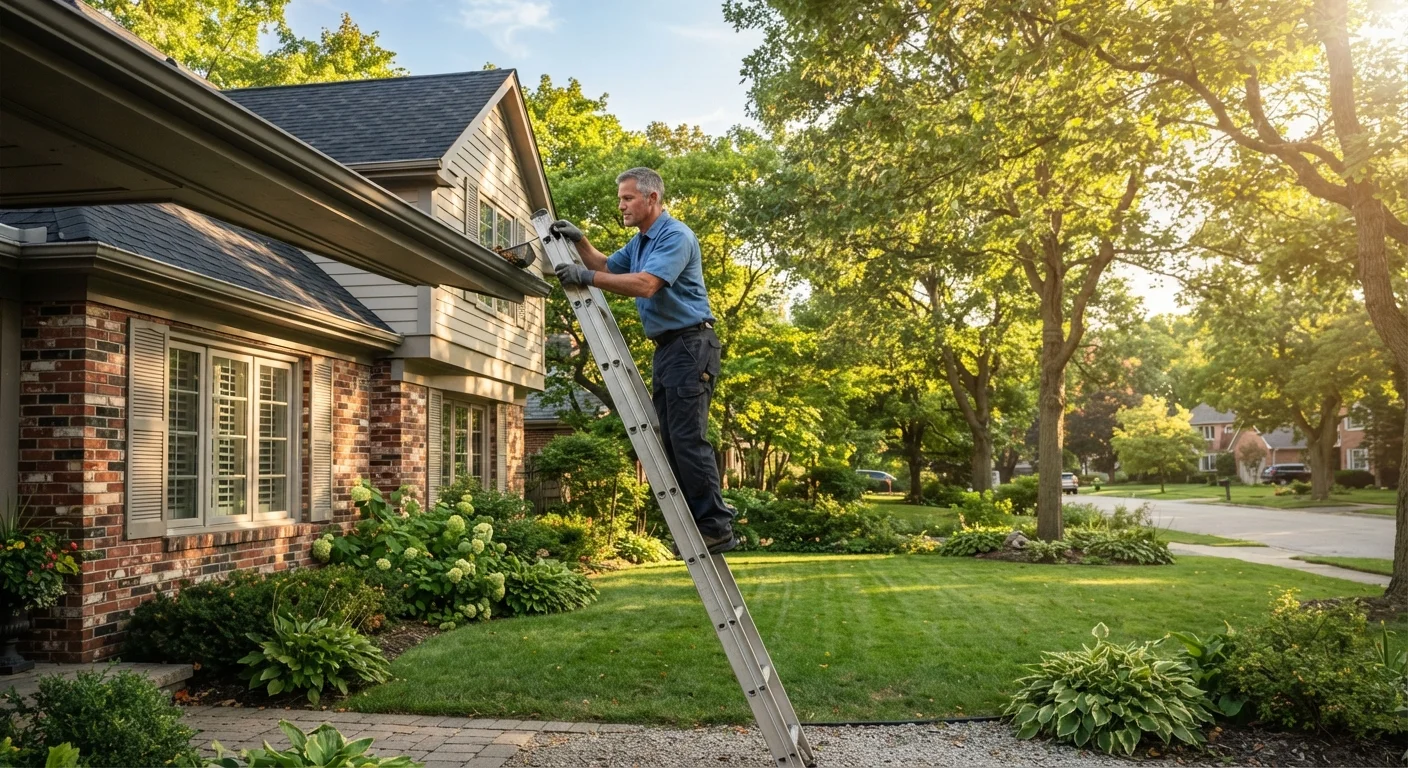
- Clean gutters in fall and again in spring if nearby trees drop debris
- Have HVAC serviced by a qualified technician before heating and cooling seasons
- Inspect roof for missing or curled shingles after severe weather
- Test GFCI outlets in kitchens, bathrooms, and garages using the test/reset buttons
- Drain sediment from the water heater tank (check your owner's manual for steps)
Schedule HVAC Service Before Peak Season
Book your furnace or AC tune-up in the shoulder months - spring for cooling systems, early fall for heating - before technicians are fully booked. A professional cleaning and inspection can extend equipment life and flag issues before they become breakdowns.
For a room-by-room pre-winter checklist, the pre-winter home walkthrough guide walks through weatherstripping, pipe insulation, and more. A full seasonal maintenance calendar can also help you build a year-round schedule.
DIY vs. When to Call a Professional
One of the most valuable skills a new homeowner develops is knowing which tasks are safe to tackle and which require a licensed professional. Getting this wrong can mean voided warranties, failed inspections, or genuine safety hazards.
Generally Safe for DIY
- Replacing HVAC filters, light bulbs, and outlet covers
- Caulking around tubs, sinks, and windows
- Patching small drywall holes (under 6 inches)
- Replacing a showerhead or faucet aerator
- Installing a grab bar with proper wall anchors
- Simple cosmetic projects like painting or a kitchen backsplash installation
Requires a Licensed Professional
- Any work on the main electrical panel or service entrance wiring
- Gas line repairs, additions, or appliance hookups
- Structural alterations - removing walls, reinforcing beams, foundation work
- Roofing repairs beyond a single accessible shingle replacement
- Main drain or sewer line work
Always Check Permit Requirements First
Many jurisdictions require permits for electrical, plumbing, and structural work regardless of who performs it. Unpermitted improvements can complicate a future home sale or homeowners insurance claim. Contact your local building department before starting any significant project.
For any project you're unsure about, check with your local building department first. Many jurisdictions require permits for electrical, plumbing, and structural work regardless of who does it. Unpermitted improvements can complicate a future home sale or homeowners insurance claim.
Building a Maintenance Habit That Sticks
Knowledge matters less than follow-through. The homeowners who avoid expensive surprises aren't necessarily more skilled - they're more consistent. Here are practical ways to build maintenance into your routine:
- Create a home binder or digital folder that holds appliance manuals, warranty documents, paint colors, and service receipts. This becomes invaluable when something needs repair or replacement.
- Set recurring calendar reminders for filter changes, gutter cleaning, and detector tests. Tying them to a season or a holiday makes them easier to remember.
- Do a slow walkthrough quarterly. Walk each room looking at ceilings for water stains, windows for condensation between panes, and floors for soft spots or squeaks. Fresh eyes catch what familiarity hides.
- Keep a short supplies kit - caulk gun, extra caulk, HVAC filters in your size, WD-40, and basic hand tools - so small fixes don't get postponed.
The organizational mindset behind good home maintenance isn't unlike the habits that keep organized homes organized - small, consistent actions compound into a home that stays in good shape year after year.
Owning a home is one of the most significant responsibilities most people take on. Start with the fundamentals, build your skills gradually, and don't hesitate to bring in a qualified professional for anything that involves risk to your safety or your home's structure.