

Key Takeaways
Ultra-Processed Food
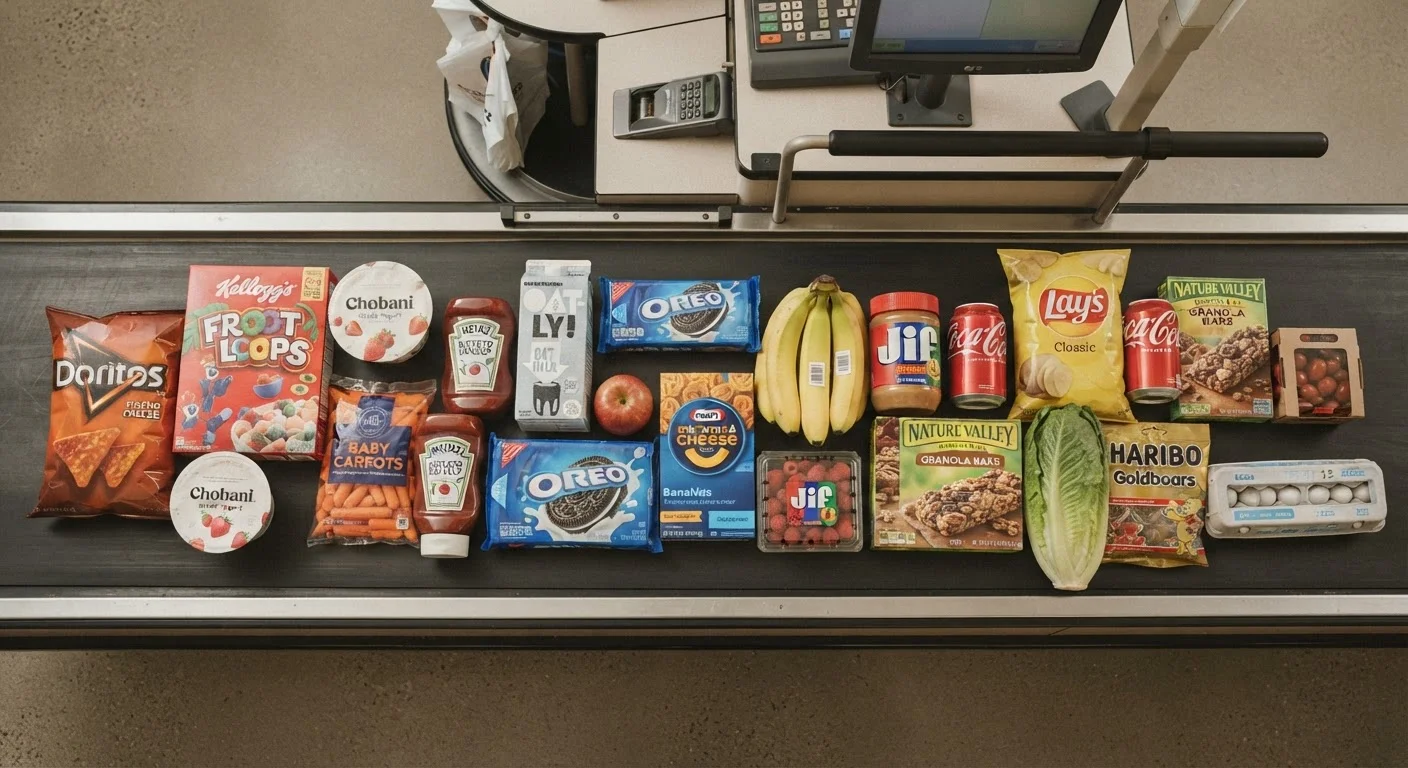
Ultra-processed foods are industrially manufactured products made mostly or entirely from substances extracted or derived from foods - such as refined starches, oils, sugars, and proteins - along with additives like artificial flavors, colors, emulsifiers, and preservatives. They typically contain little to no whole food. Common examples include packaged chips, sodas, flavored instant noodles, and many packaged baked goods.
The term comes from the NOVA classification system, developed by researchers at the University of São Paulo, which groups foods into four categories based on the extent and purpose of industrial processing - not simply on nutrient content.
Where the Term Comes From: The NOVA System Explained
The phrase "ultra-processed" didn't originate in a government dietary guideline or a pharmaceutical trial. It comes from the NOVA classification system, a framework developed in the early 2010s by epidemiologist Carlos Monteiro and colleagues at the University of São Paulo. NOVA divides all foods into four groups:
- Group 1 - Unprocessed or minimally processed foods: Fresh produce, plain meats, eggs, nuts, plain milk, dried legumes.
- Group 2 - Processed culinary ingredients: Oils, butter, flour, sugar, and salt used in cooking - derived from whole foods but not eaten alone.
- Group 3 - Processed foods: Products made by adding salt, sugar, or oil to Group 1 foods - canned vegetables, cheese, cured meats, freshly baked bread.
- Group 4 - Ultra-processed foods: Industrial formulations with five or more ingredients, typically including additives absent from home kitchens - emulsifiers, flavor enhancers, colorings, sweeteners, thickeners.
What's distinctive about NOVA is that it classifies foods based on how they're made and why additives are used, not primarily on their nutrient profile. A food can be low in sugar and still be ultra-processed if it's built from industrial inputs. For a deeper look at how to interpret what you find on product labels, see our guide on reading a Nutrition Facts label.
What the Research Actually Shows
Over the past decade, a growing body of observational studies - largely from Europe and Latin America, with more recent U.S. data - has associated high ultra-processed food consumption with elevated risks of conditions including type 2 diabetes, cardiovascular disease, certain cancers, depression, and all-cause mortality.
~58%
Share of U.S. adult calories from ultra-processed foods
A 2016 analysis published in BMJ Open, drawing on NHANES data, estimated that ultra-processed foods account for more than half of total daily caloric intake among U.S. adults.
32%
Higher risk of cardiovascular disease mortality
A large prospective cohort study published in The BMJ (2019) found adults in the highest quartile of ultra-processed food consumption had a 32% higher risk of cardiovascular disease compared to those in the lowest quartile.
4 groups
NOVA food classification categories
The NOVA system, developed at the University of São Paulo, organizes all foods into four groups based on the extent and purpose of industrial processing.
Importantly, many of these associations held even after researchers adjusted for overall calorie intake, sugar, sodium, and saturated fat - suggesting something about ultra-processing itself may play a role, beyond just the nutrients involved. Proposed mechanisms include disruption of gut microbiome diversity, effects of food additives on inflammation, and the way ultra-processed foods are engineered to encourage overconsumption.
That said, most existing evidence comes from observational (cohort) studies, which can identify correlations but cannot definitively establish cause and effect. People who eat more ultra-processed foods may also differ in other lifestyle factors - sleep, stress, income, and healthcare access - that independently affect health. Randomized controlled trials on dietary patterns are difficult and expensive to conduct at scale.
If you want to think more critically about how nutrition research is reported, our piece on evaluating food studies in the news offers a practical framework.
“The problem is not that foods are processed. Foods have been processed for millennia. The problem is ultra-processing - the use of ingredients and processes that have no culinary equivalent and that exist primarily to make hyper-palatable, profitable products.”
— Carlos Monteiro, Professor of Nutrition and Public Health, University of São Paulo; lead developer of the NOVA classification system
Valid Criticisms of the NOVA Framework
Not everyone in the nutrition science community is convinced that NOVA is the most useful lens. Critics raise several legitimate concerns:
- Heterogeneity within Group 4: A mass-produced, additive-laden dessert cake and a fortified plant-based milk are both classified as ultra-processed, even though their nutritional profiles are vastly different.
- Conflation of processing with poor nutrition: Some researchers argue the health associations seen in NOVA-based studies are better explained by the high sugar, refined starch, sodium, and saturated fat content common in Group 4 foods - not by industrial processing per se.
- Practical measurement challenges: Applying NOVA consistently across different national food supplies and research databases is methodologically complex.
The ongoing debate is addressed in more depth in our companion article how ultra-processed food is defined - and why the definition is still debated.
NOVA Is a Research Tool, Not a Regulatory Standard
The NOVA classification was designed for epidemiological research and public health advocacy, not as an official government or regulatory standard. The U.S. FDA does not currently use NOVA in its food labeling or regulatory framework. This means no product on store shelves is legally required to disclose its NOVA group, and interpretations of the system can vary across research teams and studies.
What This Means for Everyday Eating
The science doesn't demand dietary perfection. Researchers and dietitians who work with this evidence generally point toward the same practical principle: shifting overall eating patterns toward more whole and minimally processed foods tends to be beneficial - and away from a diet where ultra-processed products dominate.
A Simple Starting Point for Reducing Ultra-Processed Foods
You don't need to overhaul your entire diet at once. Nutrition researchers generally suggest starting with the foods you eat most frequently - if packaged snacks, sugary drinks, or flavored instant meals are daily staples, swapping even one for a minimally processed alternative can make a meaningful difference over time. Focus on progress over perfection.
The ingredient list is your most reliable tool. Front-of-pack claims like "natural" or "made with real fruit" don't reliably indicate processing level. Looking for a long roster of additives - especially emulsifiers, artificial sweeteners, modified starches, and flavor compounds - gives a clearer picture. Our article on natural vs. artificial flavors explains why those label terms can be misleading. And for context on what processing does to specific ingredients, see whole grains vs. refined grains.
This article is for general informational and educational purposes only and is not a substitute for professional medical or dietary advice. Consult a qualified healthcare provider or registered dietitian for guidance specific to your health needs.