

Key Takeaways
Why Merging Goes Wrong
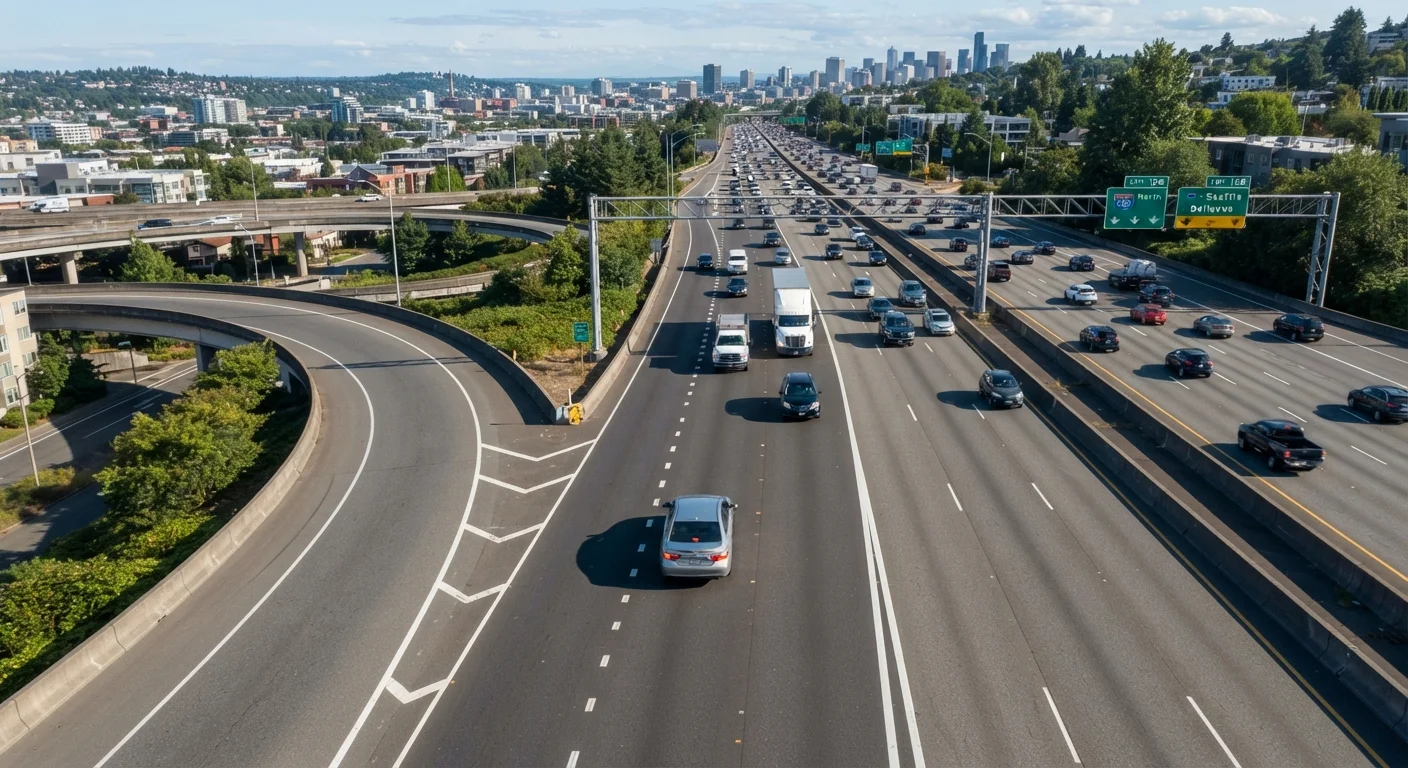
Highway merging is one of the most collision-prone maneuvers in everyday driving, yet it's often treated as routine. The core problem is a speed mismatch: drivers who enter the highway too slowly force faster-moving traffic to brake suddenly, compressing gaps and triggering chain reactions. According to traffic safety research, a significant share of highway rear-end crashes are linked to merge-related speed differentials.
Poor technique usually comes down to three habits: failing to reach highway speed before the merge point, waiting too long to signal, and either stopping on the ramp or forcing a gap that isn't there. All three are preventable with deliberate practice. If you want to understand how highway driving demands a different mindset than city streets, see how highway and city driving skills differ.
Use the Full Length of the Ramp
Many drivers begin braking or hesitating midway through the on-ramp, which compresses their acceleration window. Use the entire ramp to build speed steadily so you arrive at the merge point already matching traffic. A longer run-up also gives you more time to assess gaps and signal properly.
What Highway Drivers Should Do
Safe merging is a two-sided responsibility. Drivers already on the highway should watch for vehicles on adjacent on-ramps and, where traffic allows, move one lane to the left to create space. This is sometimes called a courtesy merge and is standard practice encouraged by most state driving guides - though it is not universally required by law in every state.
If moving over isn't possible, easing off the accelerator slightly to open a gap is often all it takes. Aggressive refusal to yield when there is room to accommodate a merging vehicle contributes to the same hazards as poor merging technique. Right-of-way rules that confuse even experienced drivers covers related situations where shared responsibility affects traffic flow.
Never Stop on an Active On-Ramp
Coming to a full stop at the end of an on-ramp - unless forced by a complete traffic standstill - is one of the most dangerous moves a driver can make. Vehicles behind you are still accelerating and may not have time to stop. If the gap is tight, reduce speed slightly to let it open up, but keep rolling whenever possible.
Merging in Low-Visibility or Poor-Weather Conditions
Wet pavement, fog, and heavy rain change the equation significantly. Longer stopping distances mean gaps that feel adequate in dry conditions may not be sufficient in the rain. Reduce your approach speed slightly and select a larger gap - aim for four seconds or more when traction is reduced. Keep your headlights on so highway traffic can see you earlier.
Fog also limits how far ahead you can spot highway traffic from the ramp. Lean on your signal, approach cautiously, and avoid committing to a merge until you have a confirmed clear gap. For a full breakdown of technique adjustments in bad weather, see our guide to driving in rain, fog, and snow.
Blind Spots Are Especially Dangerous During Merges
At highway speeds, vehicles can close distance in seconds. Mirrors alone will not show everything - always perform a quick head check over your left shoulder before committing to the merge. For a deeper dive on this, see how blind spots work and how to check them properly.