

Key Takeaways
Cleaning takes significantly less time
With fewer items on surfaces and floors, routine cleaning becomes faster and more straightforward. Many people report spending noticeably less time on weekly tidying once they reduce their possessions.
Reduced decision fatigue in daily routines
A smaller wardrobe, a leaner pantry, and fewer stored items mean fewer low-stakes decisions throughout the day. Research in psychology suggests that decision overload depletes mental energy over time.
Easier to maintain consistent organization
When you own less, every item is more likely to have a dedicated home. This makes it easier to put things away properly and find them again without searching.
Lower household maintenance burden
Fewer possessions generally means fewer things to repair, replace, or store. This can reduce both the time and expense associated with maintaining a household.
A calmer, less visually busy environment
Clutter has been associated with elevated stress in living environments. A less crowded space tends to feel more restful, which can support better focus and relaxation at home.
Letting go of sentimental items is emotionally hard
Many people find it straightforward to discard broken or unused items, but struggle deeply with objects tied to memories or identity. This part of the process is rarely as quick or easy as decluttering content suggests.
Household members may not share the same goals
Minimalism in a shared home requires buy-in from everyone who lives there. Imposing a minimal standard on a partner or child who doesn't want it creates conflict rather than calm.
Getting rid of 'just in case' items carries real risk
Discarding tools, spare parts, or backup supplies can feel liberating - until you need the exact item you donated. Replacing things later often costs more than keeping them would have.
Ongoing effort required to prevent clutter returning
A thorough declutter doesn't automatically sustain itself. Without consistent habits around what enters the home, possessions tend to accumulate again within months.
Cultural and family pressure around gifts and keepsakes
Refusing or donating gifts, or not keeping family heirlooms, can create friction with relatives and friends who attach meaning to those objects. Navigating this requires ongoing, sometimes uncomfortable conversations.
Our Verdict
Minimalist living genuinely delivers on reduced clutter, easier cleaning, and a calmer home environment - but it demands real effort upfront and consistent maintenance over time. The trade-offs, particularly around sentimental items and shared-household buy-in, are worth thinking through honestly before committing. It isn't about owning as little as possible; it's about owning only what supports your daily life.
Minimalism is most rewarding for individuals or households who feel overwhelmed by clutter, struggle with cleaning and organization, or want to simplify household decisions - and who are willing to build new habits to sustain it.
What Minimalism Actually Looks Like at Home
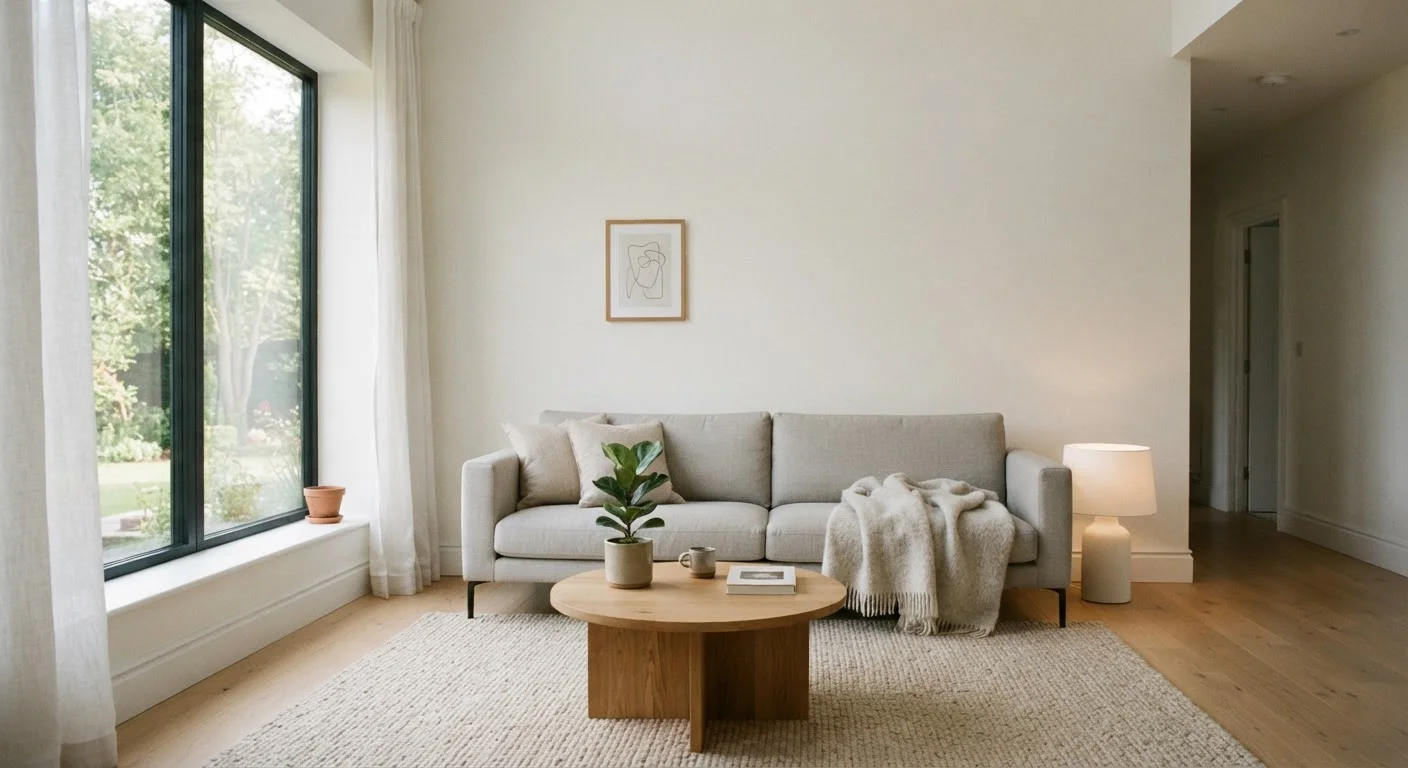
Minimalism, in a household context, means deliberately reducing your possessions to what you regularly use, genuinely need, or truly value - and building systems that keep things that way. It isn't an aesthetic defined by white walls and empty shelves. For most American households, it looks more like: a pantry with only the ingredients you actually cook, a closet where every item has a place, and a living room that doesn't require 20 minutes of tidying before guests arrive.
The appeal is real. Fewer things mean less to clean around, less to organize, and less visual noise. But the gap between the idea of a minimal home and the day-to-day practice of maintaining one is wider than most people expect. Before committing to a major declutter, it helps to understand what you're actually signing up for. See our room-by-room decluttering walkthrough for a grounded starting point.
The Real Advantages of Owning Less
Living with fewer possessions has measurable, practical benefits that show up in everyday life - not just in how your home looks.
Cleaning takes significantly less time
With fewer items on surfaces and floors, routine cleaning becomes faster and more straightforward. Many people report spending noticeably less time on weekly tidying once they reduce their possessions.
Reduced decision fatigue in daily routines
A smaller wardrobe, a leaner pantry, and fewer stored items mean fewer low-stakes decisions throughout the day. Research in psychology suggests that decision overload depletes mental energy over time.
Easier to maintain consistent organization
When you own less, every item is more likely to have a dedicated home. This makes it easier to put things away properly and find them again without searching.
Lower household maintenance burden
Fewer possessions generally means fewer things to repair, replace, or store. This can reduce both the time and expense associated with maintaining a household.
A calmer, less visually busy environment
Clutter has been associated with elevated stress in living environments. A less crowded space tends to feel more restful, which can support better focus and relaxation at home.
~$18,000
Estimated annual cost of household clutter
According to a study by the National Association of Professional Organizers, disorganization - including misplaced items and duplicate purchases - costs the average American household thousands of dollars per year.
40%
Household tasks eliminated by reducing clutter
Research cited by organization professionals suggests that roughly 40% of housework in the average home could be eliminated simply by owning fewer possessions - because there is less to clean around and maintain.
One underappreciated benefit is how a minimal home simplifies shared living. When items have clear, consistent homes, everyone in the household can find and return things without friction. This matters especially in families with children or in multi-person rentals. The shared-spaces organization guide explores how to build systems that work for multiple people with different tidiness standards.
The Trade-offs You Should Expect
Minimalism has genuine costs - practical, emotional, and social - that don't always get discussed honestly.
Letting go of sentimental items is emotionally hard
Many people find it straightforward to discard broken or unused items, but struggle deeply with objects tied to memories or identity. This part of the process is rarely as quick or easy as decluttering content suggests.
Household members may not share the same goals
Minimalism in a shared home requires buy-in from everyone who lives there. Imposing a minimal standard on a partner or child who doesn't want it creates conflict rather than calm.
Getting rid of 'just in case' items carries real risk
Discarding tools, spare parts, or backup supplies can feel liberating - until you need the exact item you donated. Replacing things later often costs more than keeping them would have.
Ongoing effort required to prevent clutter returning
A thorough declutter doesn't automatically sustain itself. Without consistent habits around what enters the home, possessions tend to accumulate again within months.
Cultural and family pressure around gifts and keepsakes
Refusing or donating gifts, or not keeping family heirlooms, can create friction with relatives and friends who attach meaning to those objects. Navigating this requires ongoing, sometimes uncomfortable conversations.
Minimalism Isn't a Single Standard
There is no universal definition of 'minimal.' One household's pared-down version might look cluttered to another and stark to a third. The practical goal is to own what genuinely supports your life - not to hit a specific item count or aesthetic benchmark. Defining what 'enough' means for your household is the foundation of any approach that will actually stick.
One friction point that surprises people is the effort required to stay minimal. A one-time purge doesn't hold on its own. New items enter the home through gifts, purchases, and kids' school projects. Without active habits to manage incoming stuff, clutter tends to return within months. The habits that keep organized homes organized covers exactly this challenge - and offers practical routines to make order stick.
Day-to-Day Habits That Make It Work
Minimalism is sustained through small, repeatable decisions rather than periodic overhauls. A few habits that tend to work well in practice:
- One-in, one-out: When something new comes in, something comparable leaves. This applies to clothes, kitchen tools, and kids' toys.
- Regular reassessment: Seasonally reviewing what you actually used - not just what you own - keeps possessions aligned with real life rather than aspirational life.
- Designated landing zones: Surfaces without a purpose attract clutter. Giving every area a clear function prevents drift.
- Mindful purchasing: Pausing before acquiring something new - asking whether it genuinely adds value - is one of the highest-leverage habits in minimalism.
If closet space is a particular pain point, strategic organization often achieves more than radical reduction. The small closet organizing strategies shows how arrangement can make a limited wardrobe feel spacious.
This article provides general home organization information for educational purposes. Individual results will vary based on household size, layout, and personal circumstances.