

| Typical inspection duration | 45 minutes to 2 hours |
| Recommended inspection frequency | Every 1-3 years |
| Common roof lifespan (asphalt shingles) | 20-30 years (General industry guidance; varies by product and climate) |
| Primary inspection components | Shingles, flashing, structure, ventilation, gutters |
| Attic inspection included | Yes - interior decking and ventilation are assessed |
| When to add an inspection | After hail, high winds, or heavy snow events |
What a Roof Inspection Actually Covers
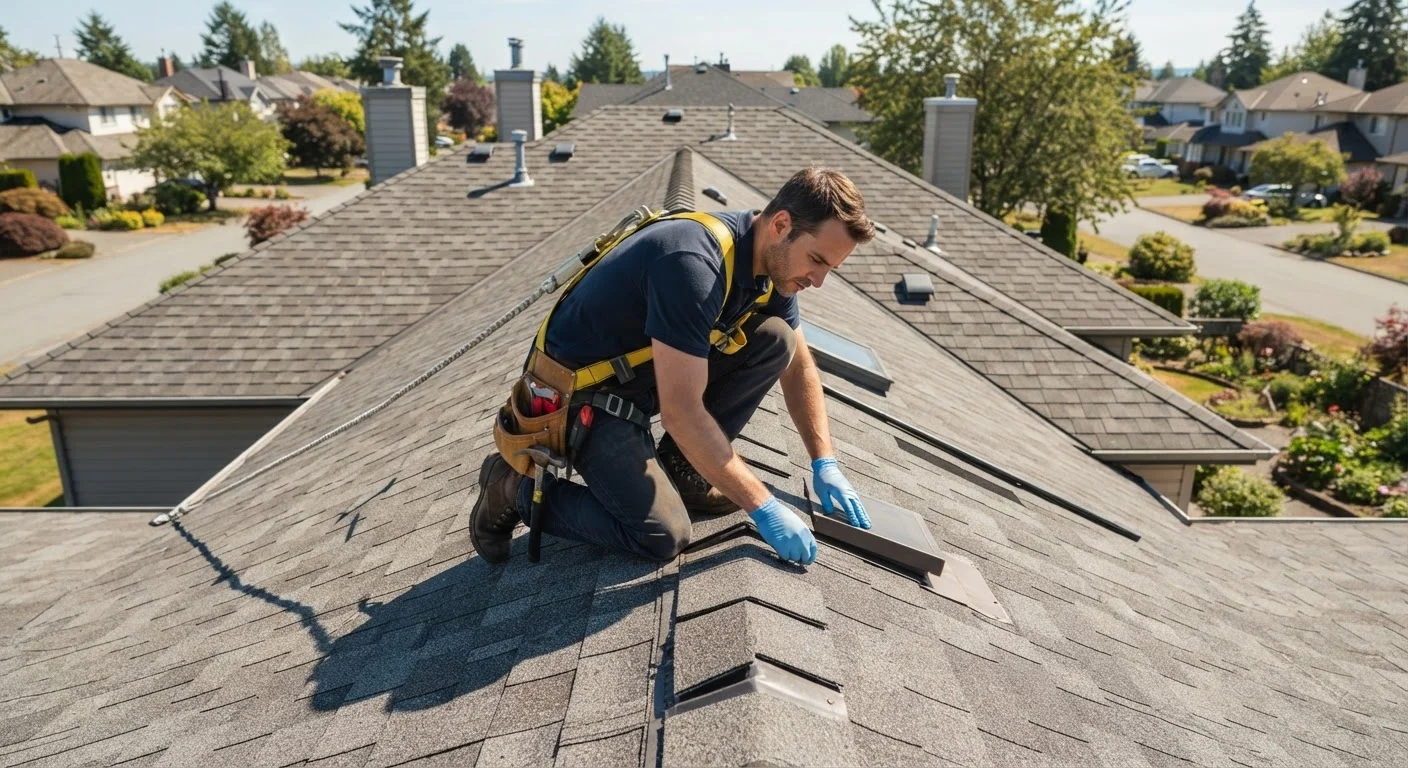
Many homeowners assume a roof inspection means someone glances at shingles from the driveway. In practice, a thorough inspection is systematic and covers several interconnected systems. Here's what professionals examine:
| Typical inspection duration | 45 minutes to 2 hours |
| Recommended inspection frequency | Every 1-3 years |
| Common roof lifespan (asphalt shingles) | 20-30 years (General industry guidance; varies by product and climate) |
| Primary inspection components | Shingles, flashing, structure, ventilation, gutters |
| Attic inspection included | Yes - interior decking and ventilation are assessed |
| When to add an inspection | After hail, high winds, or heavy snow events |
Surface Materials
The inspector evaluates shingles or other roofing material for cracking, curling, blistering, missing pieces, and granule loss. Granules - the gritty coating on asphalt shingles - protect the underlying mat from UV degradation. Heavy granule loss in gutters or at downspouts often signals aging material approaching the end of its useful life.
Flashing
Flashing is the thin metal (usually aluminum or galvanized steel) installed at joints and transitions - around chimneys, skylights, vents, and where the roof meets a wall. Failing flashing is one of the most common entry points for water infiltration. Inspectors look for gaps, rust, lifted edges, or improper sealing.
Structural Integrity
From inside the attic, an inspector checks the decking (sheathing) for soft spots, sagging, water staining, or mold - signs that moisture has already penetrated. Rafters and trusses are also assessed for damage or deterioration.
Ventilation and Insulation
Adequate attic ventilation prevents heat and moisture buildup that can warp decking and shorten shingle life. Inspectors note whether ridge vents, soffit vents, or exhaust fans are clear and functional.
Gutters and Drainage
Gutters are part of the roofing system. Clogged or improperly pitched gutters cause water to back up under roofing material. For a deeper look at what can go wrong when drainage fails, see why your gutters matter more than you think.
What Homeowners Can Safely Observe
Walking on a roof without training and proper equipment is genuinely dangerous - steep pitches, wet surfaces, and fragile shingles all increase fall risk. That said, homeowners can gather useful information from the ground and from inside the home.
Flashing
Thin strips of metal installed at roof joints, transitions, and penetrations to prevent water from seeping into gaps. Common locations include chimneys, skylights, and roof-to-wall junctions.
Decking (Sheathing)
The flat structural panels - typically plywood or oriented strand board - nailed to the roof's rafters. Roofing material is fastened on top of the decking.
Granule Loss
The shedding of the gritty mineral coating from asphalt shingles. Granules protect against UV degradation, and significant loss is a common sign that shingles are nearing the end of their useful life.
Ridge Vent
A ventilation component installed along the peak of a roof that allows warm, moist air to escape from the attic. It works in tandem with soffit vents at the eaves to create airflow.
Soffit
The finished underside of a roof overhang. Soffit vents allow outside air to enter the attic and are a key part of a balanced ventilation system.
From the Ground
- Use binoculars to scan for missing, curled, or discolored shingles.
- Look for dark streaking (often algae) or moss growth, which retains moisture.
- Check that fascia boards and soffit panels look intact along the roofline.
- After heavy rain, walk the perimeter and look for granule accumulation around downspout exits.
From the Attic
- On a bright day, turn off the lights and look for daylight penetrating the decking - any visible light indicates a gap.
- Look for water stains, dark spots, or sagging on the underside of the roof deck.
- Check that insulation isn't blocking soffit vents, which can trap heat and moisture.
Know Your Limits: When to Step Back
Falls from roofs account for a significant number of home DIY injuries each year. Even experienced DIYers should avoid walking on steep-pitch roofs, wet surfaces, or roofs with suspected structural damage. Ground-level and attic observations give you actionable information safely. Leave any hands-on roof work to licensed professionals with proper safety equipment.
These observations are useful for identifying when a professional inspection is warranted - they don't replace one. If you spot potential damage, contact a licensed roofing contractor rather than attempting repairs on the roof surface yourself.
How Often Inspections Are Recommended
Most roofing professionals and home inspection organizations suggest a professional roof inspection every one to three years for typical residential roofs, with additional inspections after significant weather events - hail, high winds, or heavy snow loads.
40%
Of home insurance claims related to wind and hail roof damage
Wind and hail are consistently among the most common causes of roof damage claims in the U.S., according to insurance industry data.
1-3 years
Recommended interval for professional roof inspections
General guidance from roofing industry professionals; more frequent inspection is advised for aging roofs or after severe weather.
70%+
Of roof leaks originate at flashing failures, not shingles
Roofing contractors commonly cite flashing as the most frequent source of water intrusion in residential inspections.
Age also factors in: roofs older than 15 years generally warrant annual attention, as materials degrade more quickly in that window. Integrating a roof check into your regular seasonal maintenance is a practical approach - our guide to seasonal home maintenance outlines when roof-related tasks fit naturally into the calendar year.
Before and After Major Events
Schedule an inspection before winter if you're in a region with heavy snowfall, and again in spring to assess any freeze-thaw damage. A pre-winter home walkthrough is a good companion step to a fall roof inspection.
When Buying or Selling a Home
A general home inspection may not cover the roof in sufficient depth. Requesting a dedicated roof inspection before purchase - or before listing - can prevent costly surprises. When you're ready to hire a professional, knowing how to evaluate contractor quotes helps you choose a qualified inspector with confidence.
This article provides general home maintenance information for educational purposes. Roof conditions vary widely by home age, material, climate, and local building codes. Always consult a licensed roofing professional for assessment of your specific roof, and verify permit or inspection requirements with your local authority.