

Key Takeaways
Why Professional Cooks Never Skip the Read-Through
In restaurant kitchens, cooks are expected to know a dish cold before they touch a single ingredient. This isn't perfectionism - it's efficiency. Surprises mid-cook lead to rushed decisions, and rushed decisions lead to mistakes. Home cooks who adopt the same habit report feeling dramatically more confident and in control, even when tackling recipes they've never attempted before.
A recipe is a compressed set of instructions written by someone who already knows the outcome. Your job as the cook is to reconstruct that knowledge before you begin - understanding not just what to do, but when, in what order, and with what tools. The read-through is how you bridge that gap.
If you're working on building broader kitchen literacy, understanding how to interpret the food on your plate is just as valuable as knowing how to cook it. Our guide on reading a Nutrition Facts label covers a parallel skill for making sense of packaged ingredients you might be adding to a dish.
What you will need
Step-by-Step: How to Read a Recipe Properly
Follow these steps every time you open a new recipe - whether it's a weeknight staple or a special-occasion project. The process takes between five and fifteen minutes and consistently pays off in smoother cooking.
Read the Recipe from Title to the Last Line
Start at the very beginning - title, headnote, yield, and serving size - then read through the full ingredient list and every step of the method without stopping to do anything. This single pass gives you the full picture of what the recipe actually requires. Professional cooks call this process mise en place preparation; the mental rehearsal is just as important as the physical setup.
Scan for Total Time, Including Inactive Time
Many recipes list an active cook time separately from total time. The difference is inactive time - marinating, chilling, resting, or rising. These periods require no hands-on effort but do require a clock. Add up active and inactive times to understand when the dish will realistically be ready. If a recipe says "prep: 20 min, cook: 45 min" but also requires a two-hour chill, your total commitment is closer to three hours.
Decode Every Ingredient Descriptor
Go back through the ingredient list and read every word, not just the amounts. Descriptors like "room-temperature eggs," "toasted sesame seeds," or "peeled and deveined shrimp" define the state of an ingredient when it enters the recipe. If an ingredient needs to be brought to room temperature, toasted, or pre-processed, that work must happen before the cooking clock starts. Make a checklist of every prep task buried in the ingredient list.
Flag Any Unfamiliar Techniques or Terms
Circle or note any cooking term you cannot confidently execute. Words like "fold," "braise," "deglaze," or "temper" have precise meanings that affect outcomes significantly. Looking them up before you begin - rather than mid-cook with a hot pan in front of you - keeps you in control. Our plain-language guide to common cooking terms is a useful reference for this step.
Confirm You Have the Right Equipment
Scan the method for any equipment references: specific pan sizes, a stand mixer, a candy thermometer, parchment paper, or an oven-safe skillet. Discovering mid-recipe that you need a 9-inch springform pan and own only an 8-inch can derail an otherwise well-executed dish. Cross-check the recipe's equipment requirements against what's in your kitchen before you start.
Map the Sequence and Identify Parallel Steps
On your second pass through the method, look for steps that can or must happen simultaneously - for example, bringing a pot of water to boil while you prepare a sauce, or resting meat while you finish a side dish. Understanding the sequence helps you work efficiently and avoid the common mistake of finishing one component too early while another lags behind. This mental rehearsal is what separates a stressful cooking experience from a smooth one. Once you feel ready, tasting critically as you cook is the next skill to build.
Prep Notes in Ingredient Lists Are Instructions
When an ingredient reads "2 cups onion, finely diced" or "4 oz butter, softened," the description after the comma is a task you must complete before cooking begins. Skipping these notes is one of the most common reasons a recipe falls apart mid-stream. Always treat ingredient descriptors as part of your prep checklist, not decorative detail.
Annotate as You Read
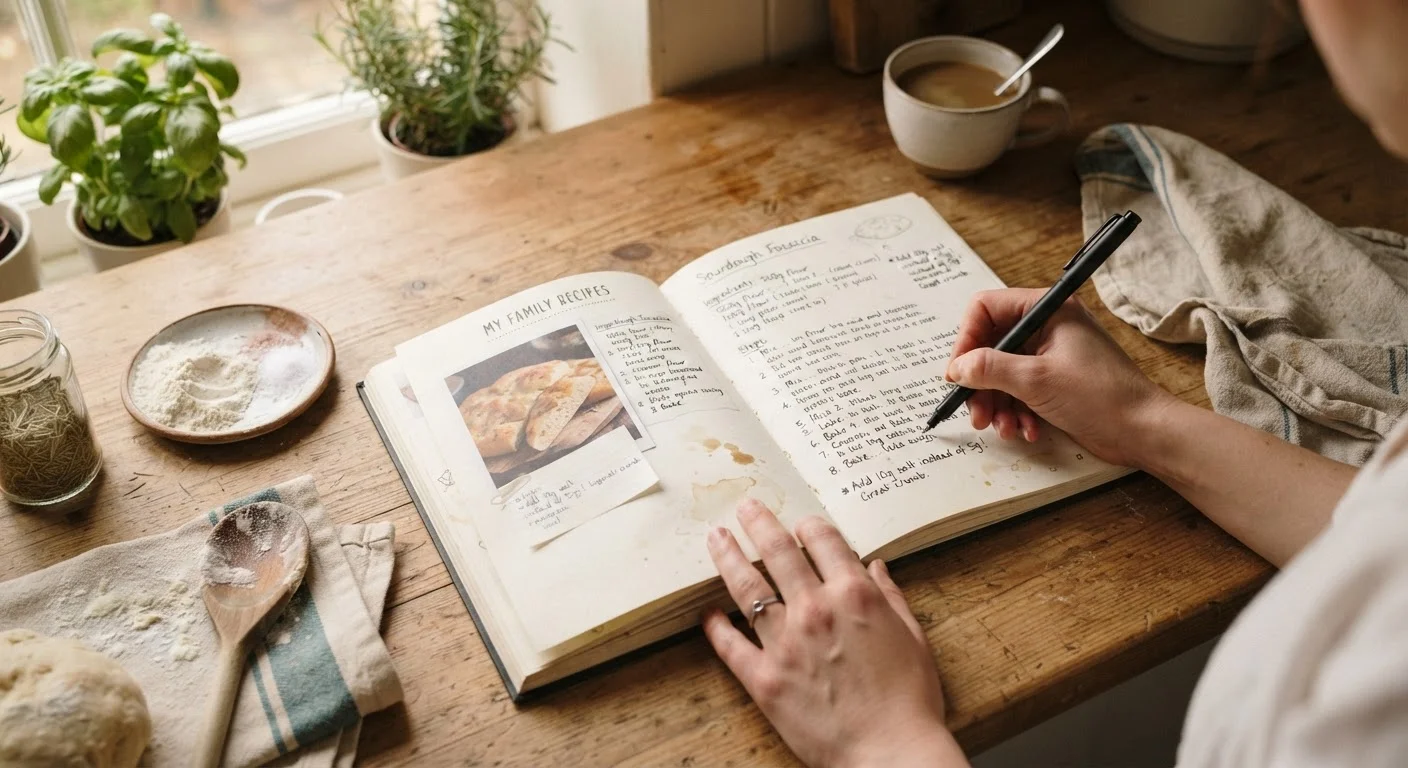
Keep a pen nearby and mark anything that requires advance action - marinating times, ingredients that need to reach room temperature, or a step where two things happen simultaneously. These marks become your personal game plan and are especially helpful when you return to a recipe a second time.
Once you've completed your read-through and feel confident about timing, techniques, and equipment, heat control becomes the next critical variable to master. Understanding why pan temperature matters will help you execute recipes more precisely once you're actually at the stove.