

Key Takeaways
Why 'Cheap' Is a More Complicated Word Than It Looks
The idea of a budget destination circulates freely in travel conversation — Southeast Asia, Eastern Europe, Central America — shorthand for places where your dollar stretches. The framing isn't entirely wrong, but it is dangerously incomplete. Experienced trip planners know that a destination's local cost of living is only one variable in a budget, and often not the largest one.
Travelers who focus on daily expenses — a $4 bowl of pho, $20-a-night guesthouses — sometimes arrive home to credit card bills that tell a very different story. Understanding why requires pulling apart the full cost structure of a trip, not just the parts you'll pay once you land. See our breakdown of where travel money really goes for a closer look at every spending category.
Myth
If a country has a low cost of living, my whole trip will be inexpensive.
Fact
Local daily costs are only part of the picture. Flights, insurance, visas, and pre-trip health preparation can cost more than everything you spend in-country.
A $25-a-day destination still requires getting there. Intercontinental flights, travel insurance premiums, and any required visas or vaccinations are fixed costs that don't scale with a country's affordability. For many US-based travelers heading to Southeast Asia or sub-Saharan Africa, these gateway costs alone can represent the majority of total trip spending.
Myth
Tourist areas in budget destinations are as affordable as the rest of the country.
Fact
Tourism infrastructure in popular 'cheap' destinations frequently operates at prices well above local norms, sometimes approaching what you'd pay in Western cities.
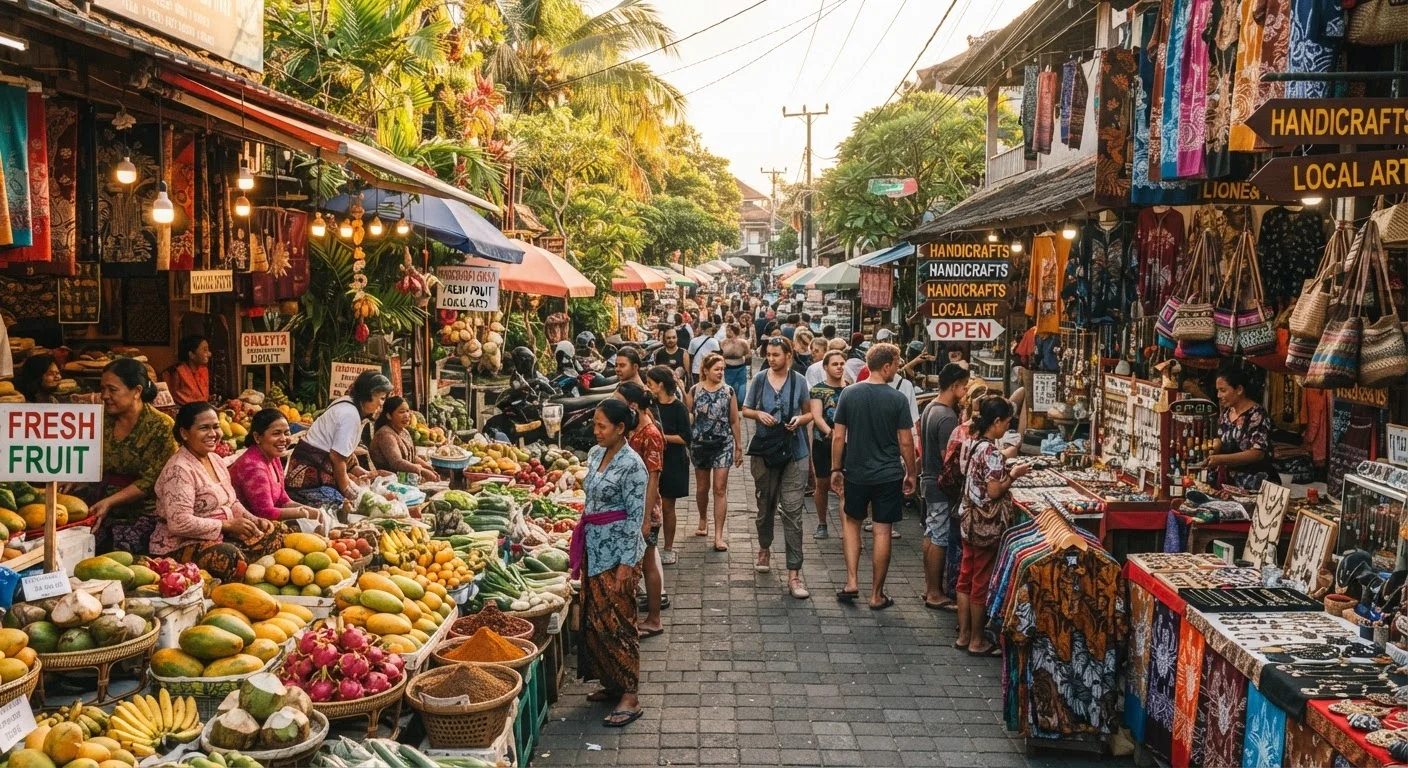
Markets, restaurants, and transport near major tourist attractions in destinations like Bali, Lisbon, or Cancún often price in a foreign visitor premium. The $3 meal and the $1 bus ride exist — but mainly where locals, not tourists, congregate. Travelers who stay within the tourist bubble often spend significantly more than published cost-of-travel estimates suggest.
Myth
Traveling cheap means the trip will be low quality or uncomfortable.
Fact
Budget travel and quality travel are not opposites. Many affordable destinations offer exceptional experiences — the planning, not the price point, determines quality.
Destinations with lower baseline costs can offer extraordinary cultural depth, natural beauty, and hospitality. What's actually correlated with a poor experience is under-planning, unrealistic expectations, or choosing itineraries based purely on price rather than fit. A thoughtful, well-researched itinerary in an affordable destination frequently outperforms an expensive trip built on assumptions.
Myth
Once I find a cheap flight, the hard budget work is done.
Fact
Airfare is one category among many. Ground transport, accommodation, food, activities, and emergency funds all need separate, realistic estimates.
Flights often receive the most attention in trip budgeting because they're booked first and feel like a major commitment. But travelers routinely underestimate what happens after landing — local transport, accommodation costs that vary significantly by season, entrance fees for attractions, and a contingency buffer for the unexpected. A complete budget treats the flight as the opening entry, not the final one.
Myth
Budget destinations don't require much research — you can just wing it and spend less.
Fact
Under-researched trips in unfamiliar destinations often cost more, not less, because improvisation is expensive and inefficient.
Last-minute accommodation in an unfamiliar city, expensive tourist-targeted transport when cheaper local options weren't identified in advance, or avoidable health issues from insufficient preparation — these are the costs of winging it. This is true in any destination, but particularly pronounced in places where language barriers and limited tourist infrastructure make course-correction harder and pricier.
The Costs Travelers Most Commonly Overlook
Several expense categories tend to get mentally filed under 'fine, I'll figure it out,' then land as genuine financial surprises.
Don't Budget Based on Other People's Trip Reports
Cost estimates shared in blog posts, social media, and travel forums often reflect a specific travel style, time period, and exchange rate that may not apply to your trip. Prices shift due to inflation, seasonal demand, and tourism growth. Use published reports as a directional guide only, and verify current costs through up-to-date sources and official provider websites before finalizing your budget.
Flights dominate the math. A round-trip flight from the US to Southeast Asia can range widely — often running into the hundreds of dollars even with advance planning — and that single line item can exceed an entire week's in-country budget. Our article on when to book flights for realistic fare expectations outlines what evidence actually suggests about timing.
Health preparation has a price tag. Destinations marketed as cheap sometimes require vaccines, antimalarial medication, or other medical precautions. These are legitimate expenses that should appear in any honest budget. Always consult a healthcare provider or travel medicine clinic before traveling — requirements and risks vary by destination, travel style, and individual health history.
Travel insurance is not optional. In destinations with limited medical infrastructure, a serious health event can become financially catastrophic without adequate coverage. Learn what travel insurance actually covers and what it excludes before you assume a policy has you protected.
40–60%
Share of total trip cost often consumed by flights alone
Travel budget analyses consistently show that for long-haul trips from the US, international airfare frequently accounts for 40–60% of total expenditure before any in-country spending begins.
3x
Tourist vs. local price gap in popular budget hotspots
Consumer travel research has documented that prices in tourist-facing markets, restaurants, and transport in well-visited 'affordable' destinations can run two to three times local baseline prices.
Planning mistakes compound these costs. Travelers who under-research end up making expensive improvisations on the road. Our guide to common planning missteps covers the habits that help prevent them.
Putting It Together: Budgeting by Reality, Not Reputation
Destination reputation is a starting point, not a budget. A more reliable approach is to build the full cost picture before committing — including flights, insurance, visas, vaccinations, gear, and realistic daily spending based on your actual travel style, not the style of travelers in blog posts from several years ago.
The same discipline applies to personal finance more broadly. As explored in our article on savings myths that prevent financial progress, assumptions and shortcuts often undermine goals that are entirely achievable with accurate information. Budget myths in travel and in personal finance share a common root: incomplete accounting.
Build a Full-Cost Budget Before You Book
Destination affordability should be evaluated on total trip cost, not daily in-country spending alone. Before committing to any destination based on its 'budget' reputation, calculate all fixed pre-departure costs — flights, insurance, visas, vaccinations, gear — alongside realistic daily estimates. The destinations that feel cheapest on paper are not always the ones that end up being the most cost-effective trips.
Exploring destination guides for your target region can help surface realistic, on-the-ground context that reputation alone won't provide. Pair that research with a realistic full-trip budget and the gap between expectation and experience tends to shrink considerably.