

Key Takeaways
Setting Realistic Expectations for a Short Stay
Washington, D.C. is one of the most content-rich cities in the United States, and two or three days will not come close to covering it. That's not a limitation — it's a reason to be strategic. The most satisfied short-term visitors arrive knowing they'll go deep on a few experiences rather than wide across many.
Realistic planning starts before you leave. If you're new to building a workable daily itinerary, the framework in this guide to building a first-trip itinerary applies directly to a D.C. visit. It's also worth reviewing common trip-planning mistakes to avoid overcrowding your schedule before you arrive.
Unlike cities such as New York — where geography and transit present a learning curve — D.C.'s layout is relatively navigable. The lettered and numbered street grid, combined with a reliable Metro system, makes orientation straightforward once you understand the basic quadrant system (NW, NE, SW, SE).
Mastering the Mall Without Burning Out
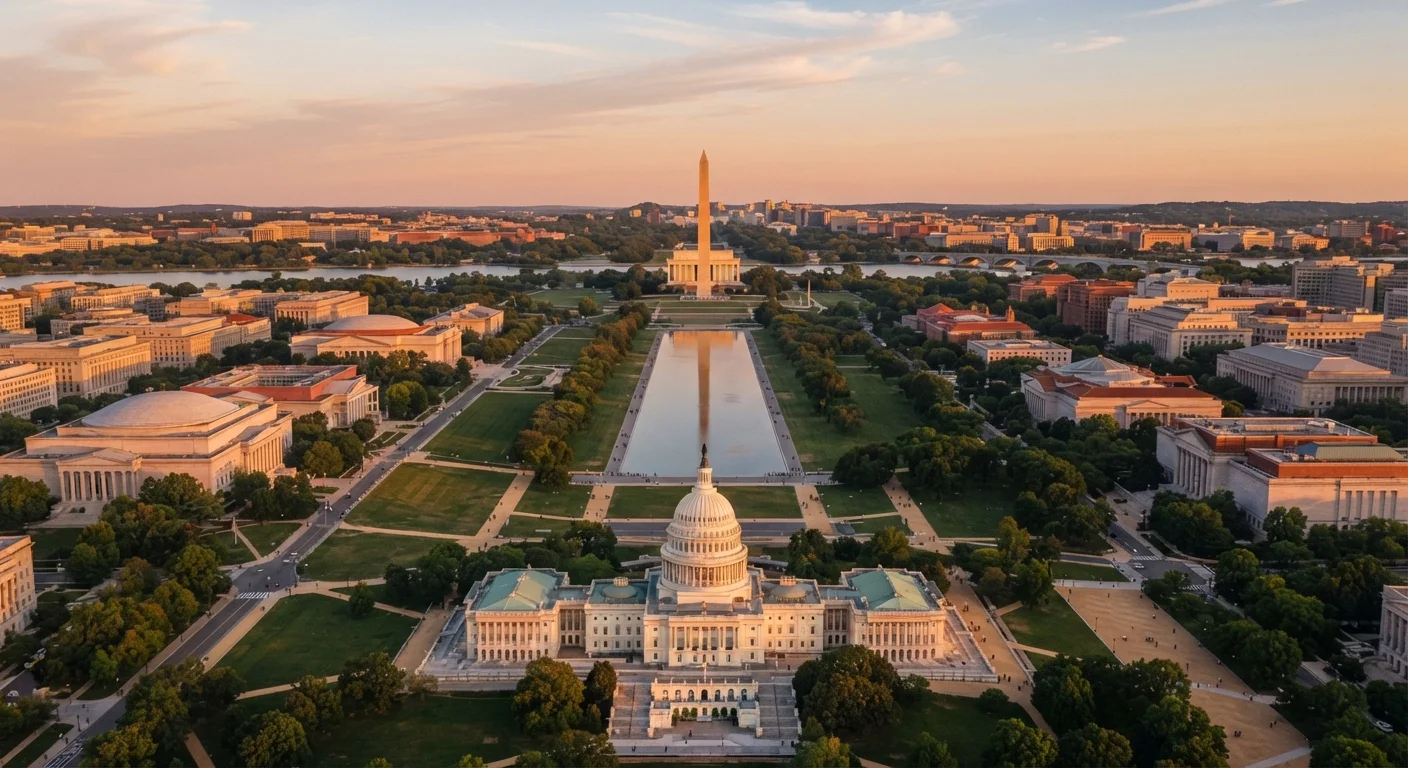
The National Mall is the gravitational center of any D.C. trip, and it deserves at least a full day — ideally split across two mornings. Most visitors underestimate both its physical length and the depth of individual sites along it.
Organize each day around geographic clusters, not chronological wish lists.
The Mall is longer than many visitors expect — roughly two miles from the Capitol to the Lincoln Memorial. Jumping between distant sites wastes hours in transit and on foot. Grouping visits by area keeps momentum high and exhaustion low.
Book timed-entry passes for high-demand sites as early as possible.
Several popular D.C. attractions — including the Washington Monument and certain Smithsonian galleries during peak exhibits — use timed-entry systems. Showing up without a reservation can mean missing the site entirely, especially in summer or over holiday weekends.
Treat the Metro as your primary transportation tool.
D.C.'s Metro system connects major attractions efficiently, and parking near the Mall is limited and expensive. Riding between Dupont Circle and Capitol South, for example, takes minutes versus a 45-minute walk.
Spend at least half a day in a neighborhood away from the tourist core.
Areas like Shaw, H Street NE, Eastern Market on Capitol Hill, and Georgetown reflect the city's actual character — local restaurants, independent bookshops, and architecture that predates the federal monuments. These areas are also far less crowded.
Arrive at popular museums within the first 30 minutes of opening.
Free admission to the Smithsonian museums draws very large crowds by mid-morning. Early arrival means shorter security lines, uncrowded galleries, and access to popular exhibits before tour groups arrive.
Free admission across all Smithsonian museums removes cost as a planning constraint, which is genuinely unusual for a city of D.C.'s cultural stature. The tradeoff is crowds. The most popular museums — Air and Space, Natural History, American History — reward early arrivals significantly. Lesser-known Smithsonian institutions, including the National Museum of African American History and Culture (which does require timed passes) and the Freer Gallery of Art, offer equally serious experiences with more breathing room.
Entry Requirements Can Change
Some D.C. monuments and federal buildings may require timed-entry reservations, security screenings, or temporary closures at any time. Always verify current access policies directly through the National Park Service or official venue websites before your trip. This is especially important for Capitol tours, which require arrangements through a congressional office.
Getting Beyond the Tourist Core
The monuments and museums are the reason most people come to D.C., but the neighborhoods surrounding them are what make the city worth returning to. A short trip that includes even a few hours away from the Mall will feel more complete and less like a checkbox exercise.
19
Free Smithsonian museums in D.C.
The Smithsonian Institution operates 19 museums and galleries in Washington, D.C., all with free general admission.
~2 miles
Length of the National Mall
The National Mall stretches approximately two miles from the Capitol Building to the Lincoln Memorial, a distance many visitors underestimate.
Shaw and the U Street corridor carry significant African American cultural history and are home to jazz venues, historic churches, and restaurants rooted in the community. Georgetown, across Rock Creek to the northwest, offers Federal-era architecture and a waterfront that predates the federal city itself. Capitol Hill's Eastern Market district is walkable from the Capitol and feels distinctly residential in a way the tourist core does not.
D.C. is also a surprisingly walkable city for staying active. If you're looking for ways to build movement into a packed travel day, these strategies for staying active on a tight schedule translate well to an urban trip on foot.
Layer Your Itinerary for Weather Flexibility
D.C. weather can shift quickly, especially in spring and fall. Build your schedule so indoor museum visits are easy to slot in when rain hits and outdoor memorials are prioritized for clear mornings. This simple flexibility prevents lost days and frustration.
Quick Wins Before You Arrive
Much of what separates a smooth D.C. visit from a frustrating one comes down to preparation done at home, not decisions made on the ground.
For broader trip-planning resources and logistical frameworks that apply to any destination, the Trip Planning hub covers itinerary structure, packing, and day-to-day logistics in depth. D.C. rewards preparation more than most cities — but the effort is straightforward, and the payoff is access to one of the most historically significant and genuinely free cultural destinations in the country.