

Key Takeaways
Why the Grout Keeps Coming Back Broken
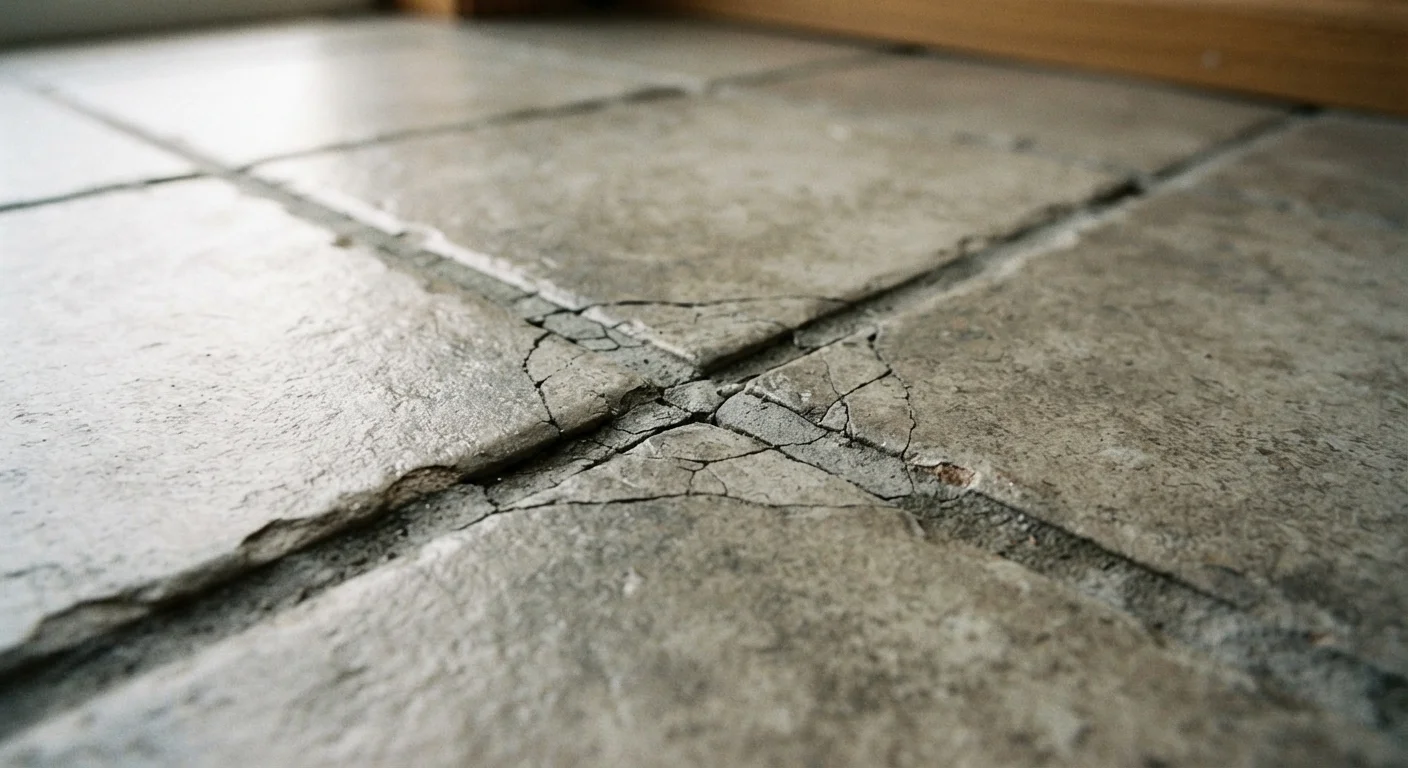
If you've re-grouted a floor or wall only to find fresh cracks appearing weeks or months later, the grout itself is rarely the culprit. Grout is a rigid material - it doesn't flex. Any movement in the structure beneath it, no matter how slight, will eventually show up as a crack at the surface.
Understanding what's actually driving the damage is the only way to stop it from recurring. The most common causes fall into a handful of predictable mistakes made during installation or in how the surrounding structure is managed over time. Catching these problems early can prevent far costlier water damage down the road.
Ignoring subfloor flex before laying tile.
Why it happens: Homeowners often tile directly over an existing floor without checking whether the subfloor meets deflection standards. Wood subfloors naturally flex under load, and standard grout can't tolerate that movement.
Skipping expansion joints at walls and natural break points.
Why it happens: Tile and its setting bed expand and contract slightly with temperature and humidity changes. Without soft joints at perimeter walls, columns, and changes in plane, that stress has nowhere to go except into the grout.
Using the wrong type of grout for the application.
Why it happens: Not all grout performs the same way. Unsanded grout used in wide joints shrinks as it cures, leaving a gap that cracks easily. Conversely, sanded grout in narrow joints can be difficult to work into the space and may not bond correctly.
Allowing tile to be installed over an inadequately cured or bonded mortar bed.
Why it happens: Rushing the installation timeline means setting tile before the mortar or adhesive beneath it has fully cured. Tiles that aren't firmly bonded shift slightly under foot traffic, transmitting stress directly into the grout.
Grouting over existing cracked grout without addressing the cause.
Why it happens: Surface patching looks like a quick fix, and for minor cosmetic issues it sometimes is. But when cracks stem from movement or bond failure, applying new grout on top just delays the same outcome by weeks.
When to Call a Professional
Not every grout repair is a reasonable DIY project. If cracks are widespread, if tiles are also loosening or sounding hollow when tapped, or if the installation is over a wood subfloor in a wet area like a shower, a licensed tile contractor should assess the situation before any patching begins.
Wet Areas Demand Extra Scrutiny
Cracked grout in showers, tub surrounds, or bathroom floors can allow water to infiltrate behind the tile, leading to mold, structural rot, and damage that is significantly more expensive to repair than the original tile job. Do not delay assessment of cracked grout in any area regularly exposed to water. A qualified tile contractor or home inspector can determine whether moisture has already reached the substrate.
Repairs that involve removing and resetting tile over a deflecting subfloor, installing a proper uncoupling membrane, or cutting in missing expansion joints require tools and experience that go beyond basic patching. Attempting them without that foundation often means doing the job twice.
For general upkeep and catching problems before they escalate, see our guidance on keeping grout and tile from becoming a long-term problem.
L/360
Minimum subfloor stiffness standard for tile
The Tile Council of North America recommends a maximum deflection of L/360 for subfloors supporting ceramic or porcelain tile installations.
24-48 hrs
Typical mortar cure time before grouting
Most cement-based tile mortars require at least 24 hours of cure time before grout can be safely applied, with longer times in humid or cool conditions.