

Key Takeaways
Yellow Road Line Markings
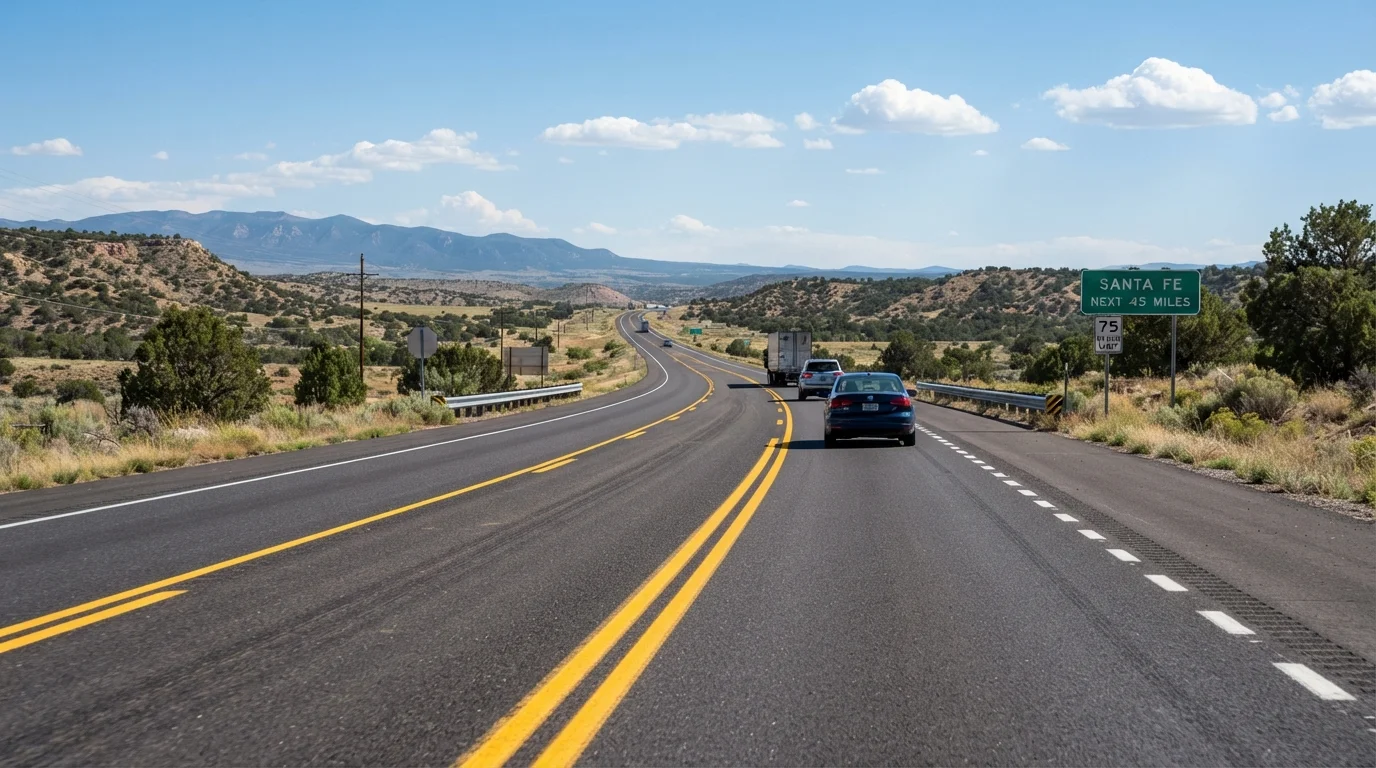
Yellow lines on American roads separate lanes of traffic traveling in opposite directions. They tell drivers whether passing is allowed, restricted, or prohibited based on the type and combination of lines present. Understanding these markings is a legal requirement embedded in every state's traffic code.
Yellow centerline markings are governed by the Manual on Uniform Traffic Control Devices (MUTCD), a federal standard that most US states adopt, though some states add supplemental rules.
The Basic Color Rule: Yellow vs. White
Before breaking down line types, it helps to understand the foundational color logic used on American roads. Yellow lines always mark the boundary between traffic moving in opposite directions. White lines, by contrast, separate lanes of traffic flowing the same way or mark the road's edge.
This distinction matters because it immediately tells you what kind of hazard you're managing. A yellow line means oncoming vehicles are on the other side - the stakes for crossing incorrectly are high. Confusing yellow and white line rules is one of the most common misunderstandings among drivers, and it's worth cementing before anything else.
Yellow ≠ Caution Here
On road signs and traffic signals, yellow typically means caution or warning. On pavement markings, yellow has a specific structural meaning: it separates opposing traffic. Don't let the color's general association with caution override the precise meaning it carries as a lane divider.
Dashed Yellow Lines: Passing Permitted
A single dashed yellow center line is a conditional green light for passing. It signals that road engineers determined sight lines and conditions are generally adequate for a vehicle to cross into the opposing lane, pass a slower vehicle, and return safely - when the driver judges it safe.
That last part is critical. A dashed line grants permission, not immunity. You still must confirm there is sufficient clear distance ahead, no oncoming traffic, and enough speed differential to complete the pass. Passing on a dashed yellow line during a blind curve, over a hill crest, or when oncoming headlights are visible is illegal and extremely dangerous. For more on how road visibility affects safe decisions at night, see our guide on night driving mistakes.
Solid Yellow Lines: No Passing
A solid yellow line on your side of the road is a firm legal prohibition. You may not cross it to pass. The line exists because engineers determined that sight distance, curvature, speed, or traffic volume makes passing too risky at that location.
When you encounter a double solid yellow line - two solid lines running side by side - no vehicle from either direction may cross to pass. These markings typically appear on two-lane roads with limited visibility, near intersections, or in heavily traveled corridors where head-on collisions would be especially likely.
A less-discussed configuration is the combination line: one solid yellow line paired with one dashed yellow line. Here, the rule applies to each driver individually based on which line is adjacent to their lane. If the dashed line is next to you, you may pass under safe conditions. If the solid line is next to you, you may not - even if the driver across from you legally can.
~26%
Of fatal crashes involving head-on collisions
The NHTSA has consistently identified head-on collisions - often linked to improper passing - as among the deadliest crash types on two-lane roads.
2,049
MUTCD pages governing US road markings
The federal Manual on Uniform Traffic Control Devices, maintained by FHWA, is the comprehensive standard that defines yellow line rules adopted by most US states.
Common Misreadings and Real Risks
Several scenarios trip up even experienced drivers:
- Turning across a double yellow line: Turning left into a driveway or side street across a double solid yellow line is generally legal - you are not passing, you are turning. However, you must yield appropriately and complete the turn safely.
- Temporary yellow markings: Construction zones often use temporary yellow paint or raised pavement markers that override permanent markings. Follow the temporary lines, not the faded originals beneath them.
- Faded lines at night: Worn or poorly maintained yellow lines become difficult to read after dark. Slowing down in unfamiliar stretches gives you more time to process markings before committing to a pass.
Misreading line markings is closely related to other right-of-way misunderstandings. See right-of-way rules that confuse even experienced drivers for a broader look at how road rules interact.
Quick Check Before You Pass
Before crossing any center line to pass, confirm three things: the line on your side is dashed, you can see far enough ahead to complete the maneuver with a margin to spare, and no oncoming vehicle is visible or approaching a crest or curve. If any of these conditions is uncertain, wait for a safer opportunity.
Why These Rules Exist and How to Stay Compliant
Yellow line placements are not arbitrary. Traffic engineers use established sight-distance formulas - accounting for speed limits, reaction time, and vehicle length - to determine where passing is safe enough to permit. When a solid line appears, it reflects a calculated judgment that safe passing is not reliably achievable at that location.
Compliance is straightforward in practice: check the line on your side before initiating any pass, never assume a dashed line makes a pass safe without your own judgment confirming it, and treat temporary construction markings as law regardless of what lies beneath. Violations are moving infractions in all US states and carry real licensing consequences.
This article is for general informational purposes only and reflects typical US road marking standards. Always consult your state's official driver handbook and local traffic laws, which may vary.