

Key Takeaways
Why a PPI Is Worth More Than the Listing
A used vehicle listing tells you what the seller wants you to know. A pre-purchase inspection (PPI) tells you what the car actually reveals under a professional eye. Even a well-photographed, competitively priced listing can conceal deferred maintenance, hidden rust, or signs of a prior accident that wasn't properly disclosed. The inspection fee is modest relative to a vehicle purchase - and relative to the cost of repairs you'd be inheriting.
This applies even when the vehicle carries a certified pre-owned designation. Certified pre-owned programs vary widely in what they cover and how rigorously vehicles are inspected before certification. An independent inspection gives you a second opinion with no stake in the sale.
Always Use an Independent Shop
The mechanic performing the inspection must have no financial relationship with the seller. Using the dealership's own service bay - or a shop they recommend - undermines the objectivity the inspection is designed to provide. Choose a shop you locate independently, ideally one you or a trusted contact has used before.
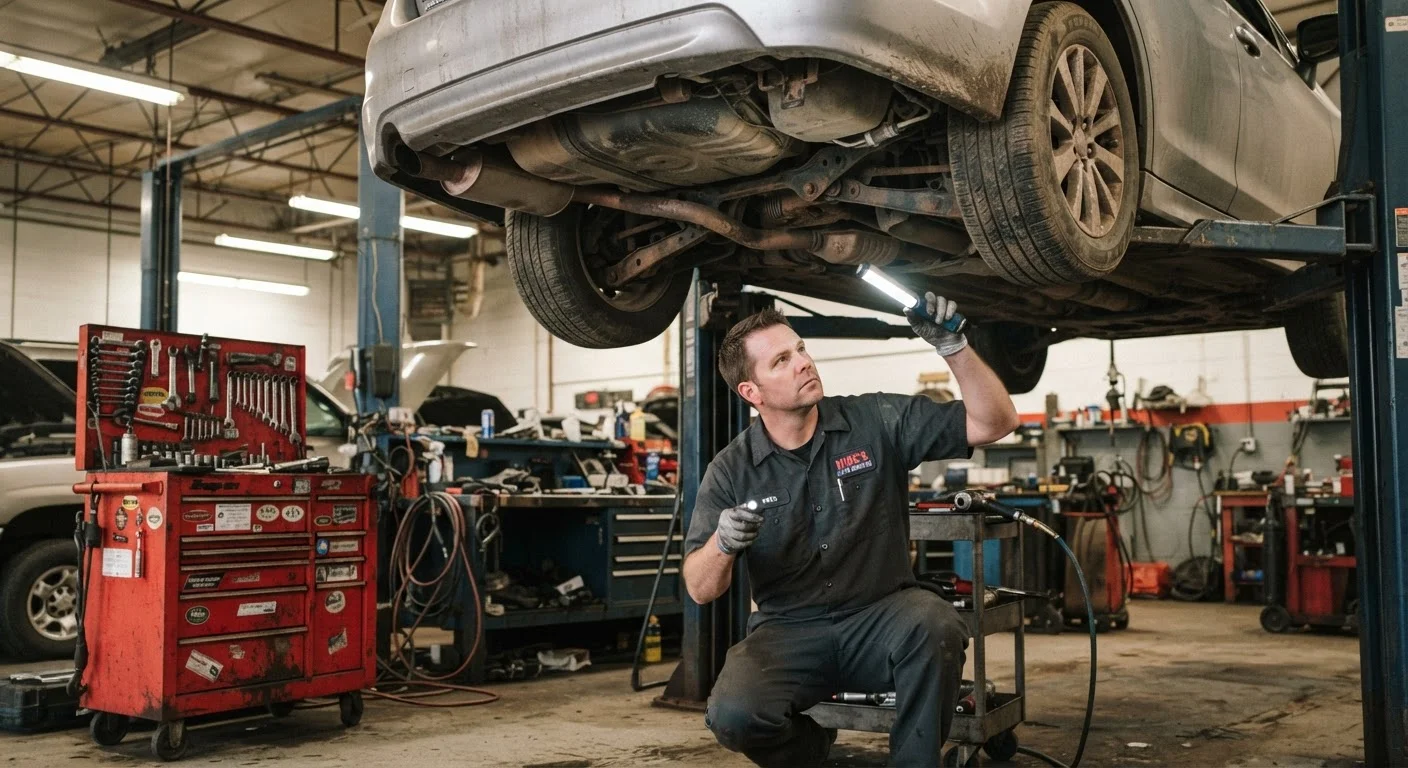
The process is straightforward and applies equally whether you're buying from a private party or a dealership. You locate a shop, arrange access to the vehicle, and get an objective written report. That report either confirms the car is sound or gives you actionable information before you sign.
Independent repair shop or ASE-certified mechanic
Performs the physical inspection with no conflict of interest.
Vehicle history report (e.g., from a service like Carfax or AutoCheck)
Provides accident, title, and odometer history to complement the mechanical inspection.
OBD-II diagnostic scanner
Reads stored and pending fault codes from the vehicle's onboard computer.
How to Prepare and What to Bring
Before you schedule the inspection, gather what you'll need to make it productive. Pull a vehicle history report using the VIN - many libraries and credit unions provide access to these services at no cost, and some state DMV portals list title and accident data. Review it for title issues, reported accidents, or odometer discrepancies.
What you will need
Bring the seller's disclosure of any known issues to the mechanic. This isn't about taking the seller's word for it - it's context that helps the mechanic focus on areas that may need closer attention. Similarly, if you've noticed anything during a test drive (a shimmy at highway speed, a hesitation on acceleration), document it and share it before the inspection begins.
Ask for a Written Report
Request that the mechanic document every finding in writing, including photos where possible. A written report is far more useful in negotiations than a verbal summary, and it gives you a reference point for future maintenance. Many shops now offer digital reports with timestamped images.
Reading the Report and Making Your Decision
Not every finding on an inspection report is a deal-breaker. Mechanics typically categorize issues by urgency: items that are immediate safety concerns, items that need attention within a defined mileage or time window, and items that are minor or cosmetic. Ask the mechanic to walk you through each category and provide rough cost estimates for anything significant.
A PPI Is Not a Safety Guarantee
Even a thorough inspection has limits. A mechanic can only assess what is accessible and visible on the day of the inspection. Intermittent electrical faults, early-stage engine wear, or issues hidden behind panels may not surface. Use the inspection as one important data point, not a definitive all-clear.
Use the findings strategically. A documented list of needed repairs gives you a factual basis for negotiating a lower price - sellers generally respond better to specific findings than to vague requests for discounts. If the vehicle requires repairs that exceed your comfort level in cost or complexity, walking away is a legitimate outcome. The inspection fee is the cost of that clarity.
Once you own a vehicle, staying ahead of maintenance is how you avoid the same surprises on the next inspection. The Car Maintenance hub covers the ongoing upkeep practices that keep vehicles reliable long-term.