

Key Takeaways
The Misconceptions That Catch First-Timers Off Guard
Japan rewards preparation more than almost any other destination. Its reputation for efficiency, safety, and hospitality is well-earned — but the country operates on its own clearly defined terms. First-time visitors who arrive with assumptions borrowed from other international trips frequently find those assumptions don't hold. The corrections below address the gaps that most commonly lead to friction, wasted money, or missed experiences.
Myth
Japan is an extremely expensive destination, out of reach for budget-conscious travelers.
Fact
Japan has a wide range of price points; budget travel is very achievable, especially for food and local transport.
The luxury end of Japan is genuinely expensive, but this doesn't define the whole country. Convenience store meals at chains like 7-Eleven and Lawson are nutritious, filling, and cost under $5. Ramen, soba, and set-lunch menus at local restaurants regularly come in under $10. Overnight buses and domestic budget airlines connect major cities at a fraction of the Shinkansen price. The perception that Japan is always costly comes partly from comparing it to Southeast Asia — a misleading benchmark. See also common myths about budget destinations.
Myth
You need to speak Japanese to get around — the language barrier is overwhelming.
Fact
Major cities have extensive English signage, and translation apps handle most situations comfortably.
Tokyo, Kyoto, and Osaka have English on virtually every train sign, ticket machine, and tourist-facing menu. Google Translate's camera mode handles menus and notices in seconds. That said, English proficiency among the general public is uneven — patience and a phrase book app go a long way. Rural destinations, smaller izakayas, and local government offices are where language gaps genuinely surface. Learning ten to fifteen key Japanese phrases before departure is respectful and practically useful.
Myth
The Japan Rail Pass is always the smartest way to get around.
Fact
The JR Pass is only cost-effective for certain itineraries — many visitors don't recoup its price.
The JR Pass makes financial sense if your itinerary includes multiple long-distance Shinkansen trips — say, Tokyo to Kyoto to Hiroshima and back. For travelers staying within one region, or making only one or two intercity trips, individual tickets or regional passes often cost less. Calculate your planned routes in advance using publicly available fare tables before purchasing a pass. Separately, an IC card like Suica or Pasmo is indispensable for daily local transit — buses, subways, and even some convenience stores accept it.
Myth
Tipping is just optional in Japan — like anywhere else, a tip shows appreciation.
Fact
Tipping is not practiced in Japan and can be perceived as rude or confusing.
In Japan, service is considered part of the job — excellence is the standard, not something requiring a bonus. Leaving money on the table or handing cash directly to a server can cause genuine discomfort, as staff may feel obligated to return it. The best way to express appreciation is a sincere verbal thank-you (arigatou gozaimashita) or a positive online review. This extends to taxis, hotels, and tour guides.
Myth
Japan is easy to navigate without any pre-trip planning — you can just wing it.
Fact
Popular attractions, accommodations, and even some restaurants require advance reservations, sometimes months ahead.
Spontaneous travel has real limits in Japan. Highly sought-after ryokan (traditional inns), kappo-style restaurants, and experiences like teamLab installations routinely book up weeks or months in advance. Cherry blossom and autumn foliage seasons compress demand dramatically — accommodation prices spike and availability drops fast. A well-structured plan that builds in flexibility is the right balance. Building a realistic itinerary before departure will help you avoid the most common planning gaps.
Practical Realities: Money, Transit, and Etiquette
Three practical areas trip up visitors more than any other: handling money, using the transit system efficiently, and observing social norms.
Always Carry Cash in Japan
Despite Japan's reputation for technology, a significant portion of restaurants, temples, vending machines, and smaller shops operate on a cash-only basis. Relying solely on a credit or debit card can leave you stranded at critical moments. Withdraw yen at 7-Eleven or Japan Post ATMs, which reliably accept foreign cards.
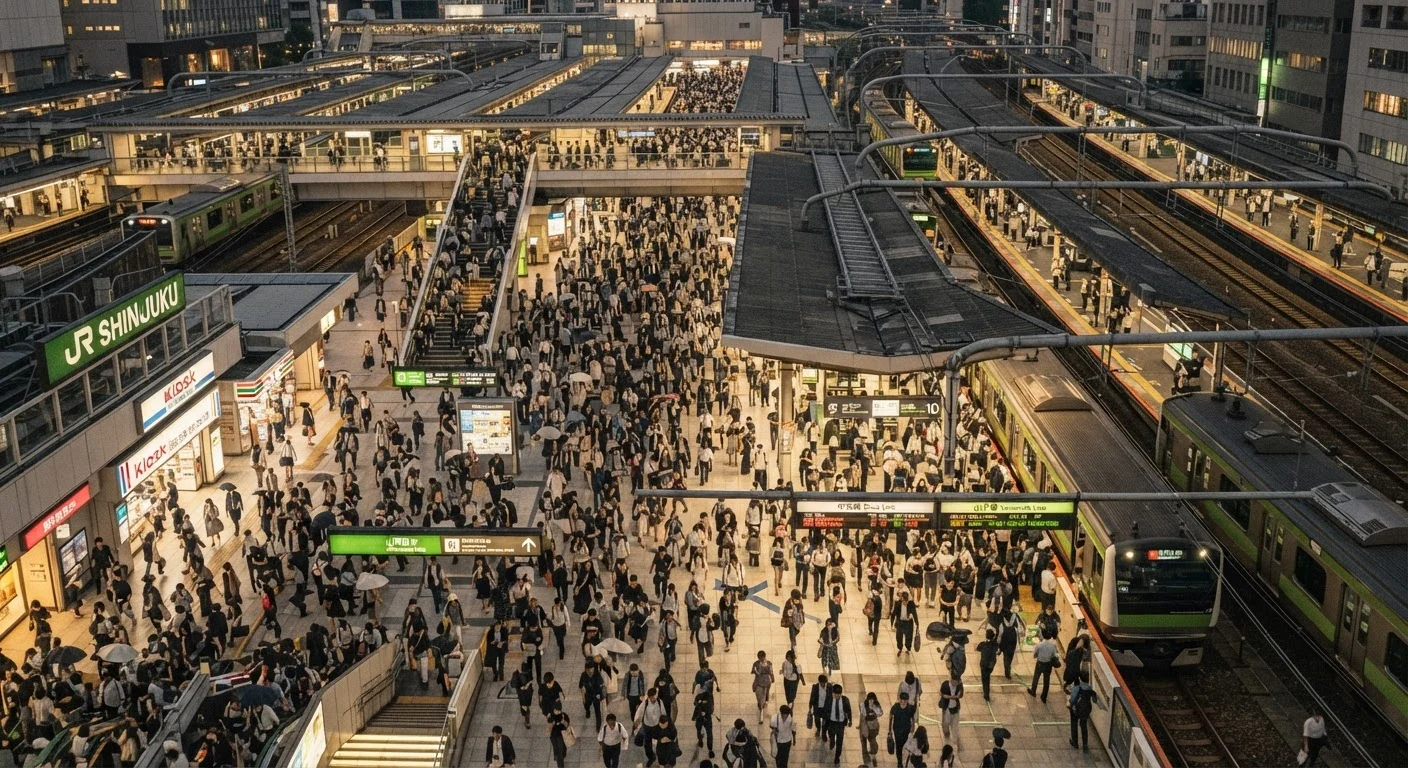
On transit, the sheer scale of major stations like Shinjuku or Osaka is genuinely disorienting at first. Allow extra time during your first few days. Download an offline transit app — Hyperdia and Google Maps both cover Japanese rail well — and load it before you land.
Etiquette Violations Are Noticed
Behaviors that seem minor to foreign visitors — eating on the subway, speaking loudly on calls, or not sorting trash correctly — are genuinely frowned upon in Japan. While locals are unlikely to confront you directly, these actions mark you as inconsiderate. Taking a few minutes before your trip to review basic etiquette norms will make your experience significantly smoother.
For broader planning strategy that applies beyond Japan, avoiding common pre-trip planning mistakes can help you arrive better prepared regardless of destination.
This article provides general travel information. Entry requirements, visa conditions, health advisories, and local regulations can change — always verify current details with official government and embassy sources before travel.