

Key Takeaways
World-class museums and cultural institutions
CDMX is home to over 150 museums, including internationally acclaimed institutions dedicated to anthropology, fine art, and modern history. Admission prices are frequently subsidized and far lower than comparable U.S. or European venues.
Exceptional and diverse food scene
The city supports everything from Michelin-recognized tasting menus to beloved market stalls, with regional cuisines from across Mexico represented. Street food culture is deeply embedded and widely accessible.
Relatively affordable for American travelers
The exchange rate and cost of living generally make dining, accommodation, and local transport more affordable than comparable stays in U.S. or Western European cities.
Rich historical and architectural depth
Pre-Hispanic ruins, Spanish colonial plazas, Art Nouveau mansions, and modernist landmarks coexist across different neighborhoods, creating a visually layered urban environment unlike most cities.
Accessible flight connections from the U.S.
Nonstop flights operate from dozens of U.S. airports, with travel times ranging from roughly two to five hours depending on origin city.
High altitude causes real physical adjustment
At approximately 7,350 feet, Mexico City's elevation affects many visitors with fatigue, headaches, or mild breathlessness for the first few days. Travelers with cardiovascular or respiratory conditions should seek medical guidance before visiting.
Severe traffic congestion throughout the metro area
Rush hour gridlock is a daily reality in a metro of more than 20 million people. Travel between neighborhoods that appear close on a map can take significantly longer than expected by car.
Air quality can be poor, especially in winter
Thermal inversions during cooler months trap vehicle and industrial emissions over the basin, producing smog conditions that can affect people with asthma or sensitivities. Checking daily air quality readings is advisable.
Petty crime and safety risks require awareness
Pickpocketing, street-hailing taxi risks, and opportunistic theft are documented concerns in busy areas. Staying informed by neighborhood and following practical urban security habits significantly reduces exposure.
Tap water is not safe to drink
Visitors should drink bottled or filtered water throughout their stay. This is a consistent practical consideration that affects everything from morning routines to brushing teeth.
Our Verdict
Mexico City is a genuinely compelling destination with cultural depth, culinary excellence, and historical richness that few cities in the Western Hemisphere can match. However, it demands more preparation than a typical leisure trip — altitude, traffic, and neighborhood-level safety research are non-negotiable parts of planning. Travelers who do their homework are likely to find it one of the most rewarding urban destinations in the Americas.
Mexico City is best suited for culturally curious travelers who enjoy dense urban environments, are willing to research neighborhoods carefully, and can handle some physical adjustment to high altitude.
Why Mexico City Draws Millions of Visitors
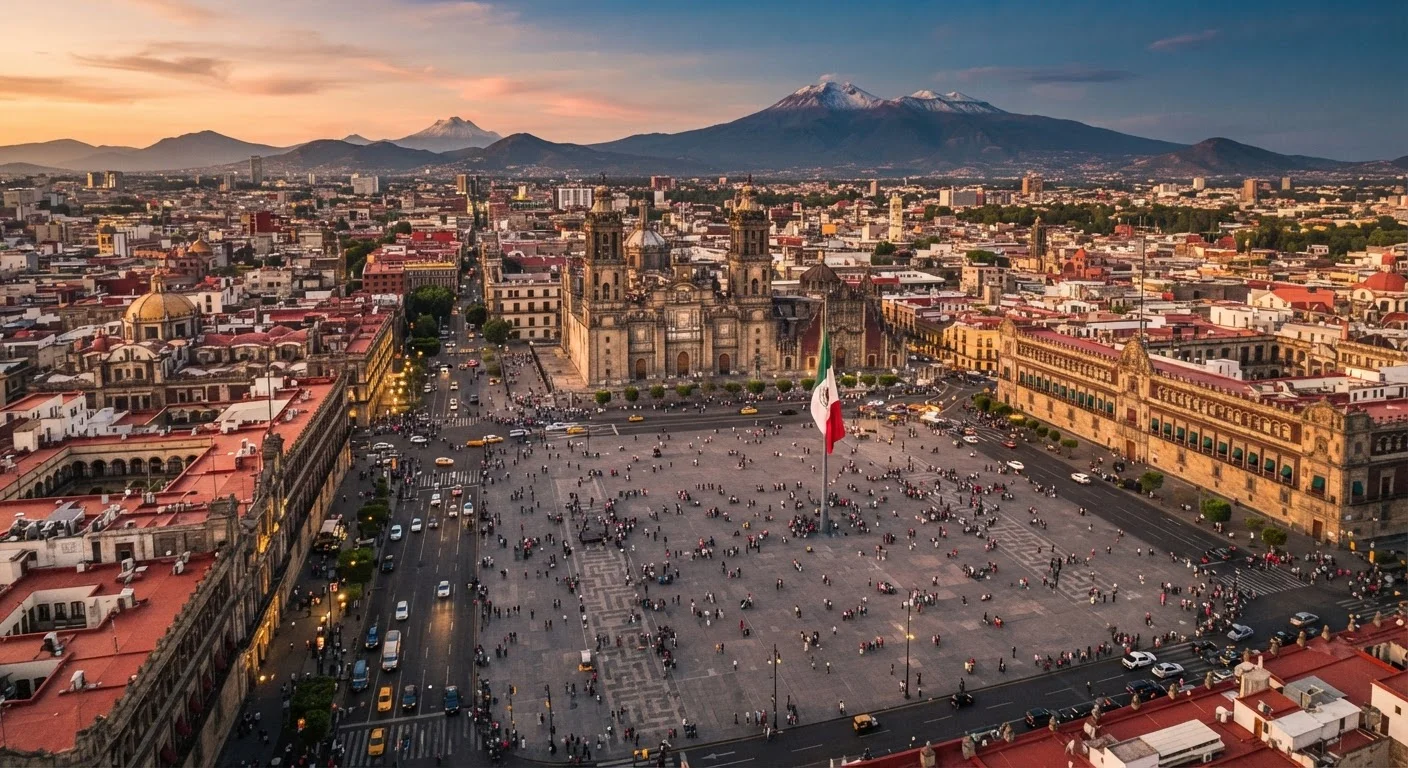
Mexico City — officially known as Ciudad de México (CDMX) — is one of the largest and most historically layered cities in the world. Built atop the Aztec capital of Tenochtitlan, it blends pre-Hispanic ruins, Spanish colonial grandeur, modernist architecture, and a vibrant contemporary arts scene into a singular urban experience.
For American travelers, the city is also relatively accessible. It sits within a three-to-four-hour flight from most major U.S. cities, and the cost of meals, museums, and accommodation is generally lower than comparable global capitals. The sheer concentration of things to do — from the Museo Nacional de Antropología to the murals of Diego Rivera — means even a week-long trip barely scratches the surface.
Just as first-time visitors to New York City often underestimate the planning required, travelers to CDMX can arrive underprepared for a city of this scale and complexity.
The Real Advantages of Visiting CDMX
Mexico City's strongest selling points are tangible and well-documented.
World-class museums and cultural institutions
CDMX is home to over 150 museums, including internationally acclaimed institutions dedicated to anthropology, fine art, and modern history. Admission prices are frequently subsidized and far lower than comparable U.S. or European venues.
Exceptional and diverse food scene
The city supports everything from Michelin-recognized tasting menus to beloved market stalls, with regional cuisines from across Mexico represented. Street food culture is deeply embedded and widely accessible.
Relatively affordable for American travelers
The exchange rate and cost of living generally make dining, accommodation, and local transport more affordable than comparable stays in U.S. or Western European cities.
Rich historical and architectural depth
Pre-Hispanic ruins, Spanish colonial plazas, Art Nouveau mansions, and modernist landmarks coexist across different neighborhoods, creating a visually layered urban environment unlike most cities.
Accessible flight connections from the U.S.
Nonstop flights operate from dozens of U.S. airports, with travel times ranging from roughly two to five hours depending on origin city.
150+
Museums across Mexico City
Mexico City is consistently ranked among the cities with the highest concentration of museums globally, according to tourism and cultural research organizations.
7,350 ft
Mexico City's elevation above sea level
This elevation — higher than Denver, Colorado — makes altitude acclimatization a genuine consideration for most visitors arriving from lower elevations.
21M+
People in the greater metro area
The Mexico City metropolitan area is one of the most populous urban agglomerations in the Western Hemisphere, according to population estimates from Mexican census authorities.
The food culture alone justifies the trip for many. The city has accumulated a remarkable number of internationally recognized restaurants, a thriving street food tradition, and neighborhood markets where tamales, tlayudas, and fresh-squeezed juices coexist with cutting-edge tasting menus. Neighborhoods like Roma, Condesa, and Coyoacán each offer distinct culinary identities.
The museum landscape is equally exceptional. The National Museum of Anthropology is widely considered one of the finest archaeology museums in the world. Chapultepec Park — which houses the museum — is itself a massive urban green space that rivals anything comparable in North America.
The Challenges Travelers Should Not Overlook
An honest assessment requires equal weight on the drawbacks. Mexico City presents real logistical and physical challenges that can catch visitors off guard.
High altitude causes real physical adjustment
At approximately 7,350 feet, Mexico City's elevation affects many visitors with fatigue, headaches, or mild breathlessness for the first few days. Travelers with cardiovascular or respiratory conditions should seek medical guidance before visiting.
Severe traffic congestion throughout the metro area
Rush hour gridlock is a daily reality in a metro of more than 20 million people. Travel between neighborhoods that appear close on a map can take significantly longer than expected by car.
Air quality can be poor, especially in winter
Thermal inversions during cooler months trap vehicle and industrial emissions over the basin, producing smog conditions that can affect people with asthma or sensitivities. Checking daily air quality readings is advisable.
Petty crime and safety risks require awareness
Pickpocketing, street-hailing taxi risks, and opportunistic theft are documented concerns in busy areas. Staying informed by neighborhood and following practical urban security habits significantly reduces exposure.
Tap water is not safe to drink
Visitors should drink bottled or filtered water throughout their stay. This is a consistent practical consideration that affects everything from morning routines to brushing teeth.
Altitude is perhaps the most underestimated factor. At approximately 7,350 feet above sea level, the city sits higher than Denver. Visitors arriving from sea-level cities may experience headaches, fatigue, or shortness of breath in the first one to three days. Staying hydrated, avoiding alcohol initially, and pacing activities can help with acclimatization — but travelers with certain health conditions should consult a physician before visiting.
Traffic and air quality are also persistent concerns. The metropolitan area is home to over 20 million people, and rush-hour gridlock is severe. Pollution levels can spike during winter thermal inversions, when smog becomes trapped over the basin. Checking air quality indices before outdoor-heavy days is a practical habit worth building into your trip.
Verify Entry and Safety Info Before You Travel
Travel conditions, entry requirements, and U.S. State Department advisories for Mexico can change. Always verify current visa policies, health requirements, and neighborhood-level safety information through official government sources — including travel.state.gov — before finalizing your trip. Information in any published guide, including this article, may not reflect the most current conditions.
Navigating Safety: What the Data and Experience Suggest
Safety is the question most American travelers ask first, and it deserves a nuanced answer rather than a blanket reassurance or alarm. Mexico City is a city of neighborhoods with vastly different risk profiles. Areas like Polanco, Roma Norte, Condesa, and the Historic Center's core are heavily trafficked by tourists and locals alike, with visible security presence and well-lit streets.
Petty theft — pickpocketing, bag snatching, and express kidnappings involving ATM withdrawals — does occur, particularly in crowded transit hubs and late-night settings. Using ride-hailing apps rather than hailing taxis on the street, avoiding flashy displays of electronics, and staying oriented to surroundings are practical precautions most experienced city travelers would apply globally.
The U.S. Department of State maintains travel advisories for Mexico; consulting the current advisory for Mexico City specifically (rather than Mexico as a whole) provides more granular, accurate guidance. Conditions and ratings can change, so checking before travel is essential rather than relying on any static published source, including this one.