

Key Takeaways
Start here
What Nutrition Actually Means
Next
The Big Three: Macronutrients Explained
Then
Micronutrients: The Small Stuff That Matters
Apply it
Building a Balanced Plate Without Overthinking It
What Nutrition Actually Means
Nutrition is the science of how food provides your body with what it needs to function - energy to move, raw materials to build and repair cells, and compounds that regulate everything from mood to immune defense. When you eat, you are not just filling your stomach; you are supplying a complex system with specific inputs it cannot manufacture on its own.
The field of nutrition draws on biology, chemistry, and public health research to understand these relationships. For everyday eaters, you do not need a degree to benefit from its core ideas. A basic understanding of what is in your food - and what your body does with it - is enough to make meaningfully better choices. Explore the broader context of food science to see how these concepts connect.
Macronutrients
The three main nutrients - carbohydrates, proteins, and fats - that your body needs in relatively large amounts to produce energy and support growth and repair.
Micronutrients
Vitamins and minerals required by the body in small amounts to carry out essential processes like immune defense, bone building, and energy production.
Dietary fiber
A type of carbohydrate found in plant foods that the body cannot fully digest. It supports digestive health, feeds beneficial gut bacteria, and helps regulate blood sugar.
Essential amino acids
Nine amino acids that the human body cannot manufacture on its own and must obtain through food. They are found in varying combinations across both animal and plant protein sources.
Whole foods
Foods that are minimally processed and close to their natural state - such as vegetables, fruits, whole grains, legumes, and unprocessed meats - retaining most of their original nutrients.
Unsaturated fats
A category of dietary fat found in foods like olive oil, nuts, seeds, and avocados. Research generally associates these fats with supporting heart health when eaten as part of a varied diet.
The Big Three: Macronutrients Explained
Macronutrients are the nutrients your body needs in the largest amounts. There are three: carbohydrates, proteins, and fats. Each serves distinct roles, and all three belong in a healthy eating pattern.
- Carbohydrates are your body's primary fuel source. When you eat bread, rice, fruit, or legumes, your body breaks the carbohydrates down into glucose, which powers your brain and muscles. Fiber - technically a carbohydrate your body cannot fully digest - slows digestion, feeds beneficial gut bacteria, and helps regulate blood sugar levels.
- Proteins are made of chains of amino acids and serve as the building blocks for muscle, skin, enzymes, and hormones. Your body can produce some amino acids on its own, but nine - called essential amino acids - must come from food. Animal proteins (meat, eggs, dairy) typically contain all nine; many plant proteins can be combined throughout the day to achieve the same effect.
- Fats have been mischaracterized for decades. Dietary fat supports brain function, helps absorb fat-soluble vitamins (A, D, E, and K), and provides a concentrated energy source. The type of fat matters: unsaturated fats found in olive oil, avocados, and nuts are associated with positive health outcomes in research; heavily processed trans fats are not.
A Simple Way to Think About Fat Quality
Rather than avoiding fat altogether, focus on where it comes from. Swapping butter for olive oil in cooking, snacking on a small handful of nuts, or adding half an avocado to a meal are easy ways to shift toward fat sources associated with better health outcomes. Small, consistent swaps over time tend to stick better than dramatic overhauls.
Micronutrients: The Small Stuff That Matters
Vitamins and minerals are called micronutrients because your body needs them in much smaller quantities - but their impact is enormous. They enable hundreds of biochemical reactions: vitamin C supports immune function and collagen production, iron carries oxygen in the blood, calcium and vitamin D work together for bone strength, and B vitamins help convert food into usable energy.
The most reliable way to get a broad range of micronutrients is through dietary variety. Eating many different vegetables, fruits, whole grains, legumes, proteins, and dairy or dairy alternatives naturally exposes you to a wide spectrum of vitamins and minerals. No single supplement reliably replaces the complexity of a varied diet, and most healthy adults who eat a range of whole foods can meet their needs through food alone. If you have specific concerns about deficiency, a healthcare provider can order a blood test and offer guidance.
Nutrition Research Is Always Evolving
It is normal to feel confused by contradictory health headlines - nutrition science is genuinely complex, and study findings shift as researchers learn more. A single study rarely overturns established guidance. When evaluating nutrition news, look for claims backed by multiple large studies or endorsed by major health organizations rather than isolated findings.
Building a Balanced Plate Without Overthinking It
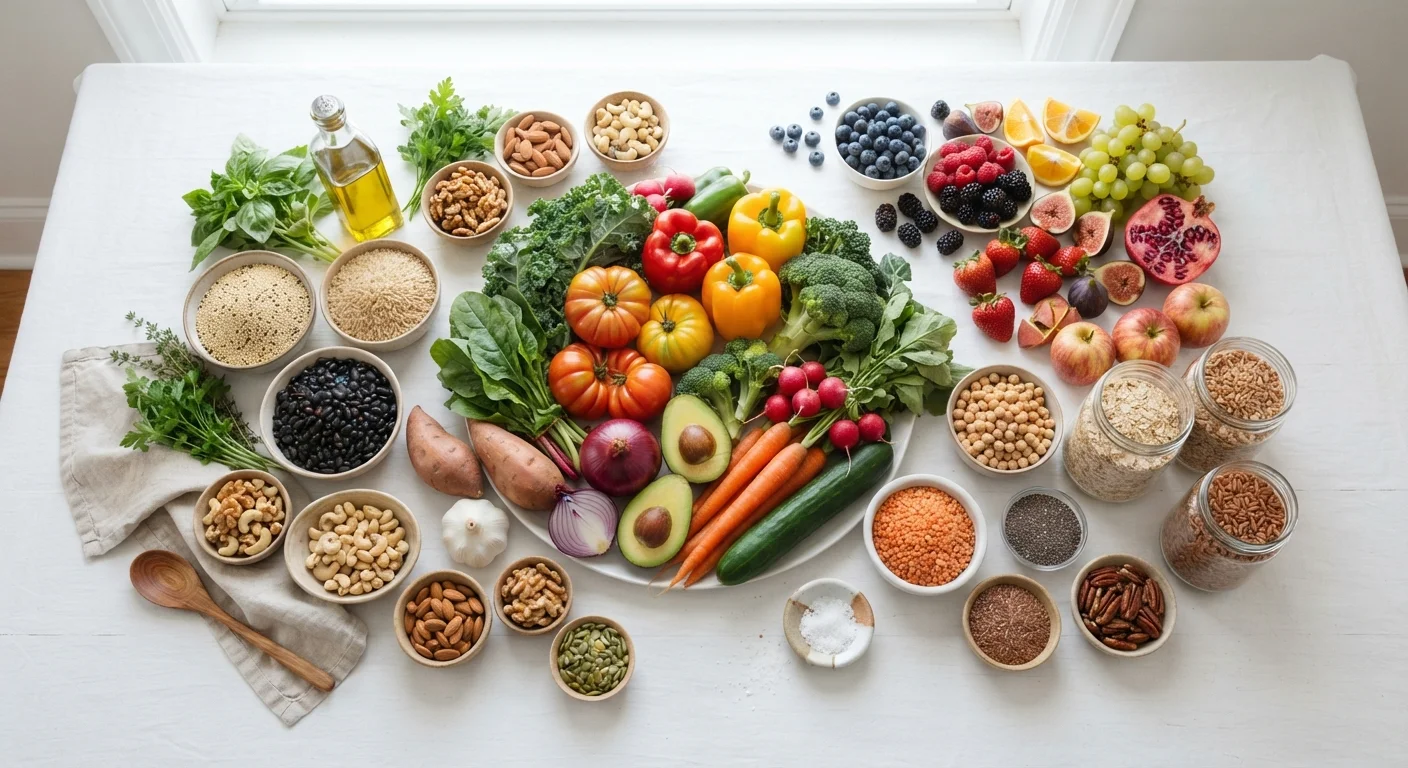
Translating nutrition science into daily meals does not require precise measurement or a rigid plan. A practical framework used by many nutrition educators is to visualize your plate: roughly half filled with vegetables and fruit, one quarter with a protein source, and one quarter with a whole grain or starchy vegetable. A small amount of healthy fat - a drizzle of olive oil, a few slices of avocado - rounds things out.
Patterns matter more than perfection. One meal or even one day of less-than-ideal choices does not undermine your overall health. What your eating looks like across weeks and months is what shapes long-term outcomes. Prioritize variety, minimize heavily processed options where you can, and eat enough to genuinely fuel your day.
For more practical guidance on turning these ideas into everyday habits, the healthy eating hub is a useful next stop. And if you are also learning to cook, understanding kitchen vocabulary helps - see our plain-language guide to cooking terms for a helpful reference.
This article is for general informational and educational purposes only and is not a substitute for personalized medical or dietary advice. Consult a qualified healthcare professional or registered dietitian for guidance specific to your health needs.