

Key Takeaways
Chronic Stress
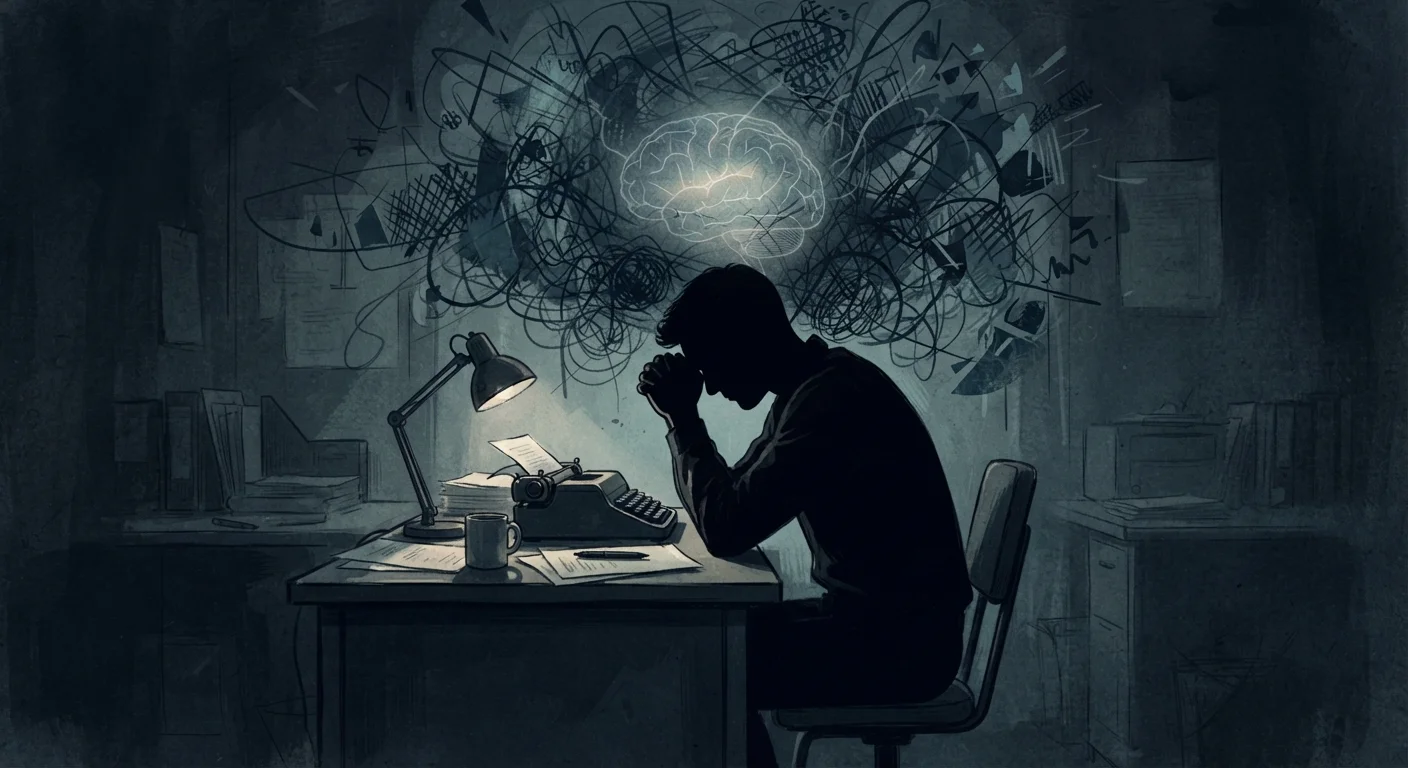
Chronic stress is ongoing, persistent psychological pressure that continues for weeks, months, or longer without adequate relief. Unlike short-term stress - which is a normal, even useful biological response - chronic stress keeps the body's alarm systems activated far beyond what they were designed to handle. Over time, this continuous activation begins to damage physical and mental health in measurable ways.
Physiologically, chronic stress is characterized by sustained elevation of glucocorticoids, particularly cortisol, leading to dysregulation of the hypothalamic-pituitary-adrenal (HPA) axis and downstream effects on immune function, neuroplasticity, and metabolic regulation.
How the Body's Stress Response Works - and Where It Goes Wrong
The human stress response evolved to handle immediate physical threats. When your brain perceives danger, the hypothalamus triggers a hormonal cascade, releasing adrenaline and cortisol to sharpen focus, increase heart rate, and redirect energy toward survival. Once the threat passes, these systems are designed to calm down.
Chronic stress breaks that design. When stressors are persistent - ongoing financial worry, a demanding job, a difficult relationship - the off-switch never fully activates. Cortisol remains elevated, and the body stays in a low-grade state of emergency. This is where real, cumulative damage begins.
Understanding this mechanism is foundational to grasping why chronic stress isn't simply "feeling overwhelmed" - it is a physiological state with downstream consequences across multiple body systems. It's also closely related to how the mind and body continuously influence each other.
77%
Americans reporting physical stress symptoms
According to the American Psychological Association's Stress in America survey, a large majority of U.S. adults report experiencing physical symptoms they attribute to stress.
3x
Increased risk of common cold under high stress
Research published in psychological and immunological journals has found that individuals under chronic psychological stress are significantly more susceptible to respiratory infections.
~8%
Hippocampal volume reduction linked to stress
Neuroimaging studies have observed measurable reductions in hippocampal gray matter in individuals with histories of chronic or traumatic stress, though individual variation is significant.
What Chronic Stress Does to the Brain
One of the most significant - and least discussed - effects of chronic stress is structural change in the brain. Sustained high cortisol levels are associated with reduced volume in the hippocampus, the region responsible for forming and consolidating memories. This helps explain why people under prolonged stress often report difficulty retaining information or feeling mentally foggy.
The prefrontal cortex, which governs decision-making, impulse control, and emotional regulation, also shows reduced activity under chronic stress. Meanwhile, the amygdala - the brain's threat-detection center - can become more reactive, making people feel on edge, irritable, or emotionally volatile even in non-threatening situations.
These are not permanent in all cases, but they are meaningful changes that affect daily functioning. Noticing patterns like difficulty concentrating or increased reactivity may be worth discussing with a healthcare professional. If your habits at home or work are quietly compounding this load, our article on daily habits that erode mental health offers useful context.
“The brain under chronic stress is not simply an unhappy brain - it is a physically altered brain. Changes in structure and connectivity help explain why stressed individuals struggle with memory, judgment, and emotional balance.”
— Robert Sapolsky, Neuroendocrinologist and Professor of Biology, Stanford University
Immunity, Inflammation, and the Body Under Pressure
The immune system is highly sensitive to cortisol. In the short term, stress hormones can actually suppress inflammation to keep the body focused on an immediate threat. But under chronic conditions, this regulation fails. The immune system can become simultaneously overactive in some respects - driving low-grade inflammation - and less effective at mounting targeted responses to pathogens.
This partially explains why chronically stressed individuals tend to get sick more often, recover more slowly, and may be at elevated risk for inflammatory conditions over time. Research has also found associations between chronic stress and disrupted gut microbiome function, which further affects immune regulation and even mood through the gut-brain axis.
Sleep, Cortisol, and the Cycle That's Hard to Break
Cortisol naturally follows a daily rhythm, peaking in the morning and tapering through the evening. Chronic stress distorts this rhythm, keeping cortisol elevated at night - precisely when the body needs it to decline so that melatonin can rise and sleep can begin.
The result is difficulty falling asleep, frequent waking, or non-restorative sleep. And here is where the cycle tightens: poor sleep raises cortisol levels the following day, reduces the brain's stress tolerance, and makes everyday stressors feel more intense. Without intervention, the two conditions fuel each other.
Evidence-informed sleep practices can help interrupt this cycle. Our article on sleep hygiene habits that support mental well-being outlines approaches backed by current research.
Small Consistency Matters More Than Grand Gestures
When managing chronic stress, regularity tends to outperform intensity. Consistent sleep and wake times, brief daily movement, and even short periods of quiet relaxation each day have a compounding effect on cortisol regulation. You do not need to overhaul your lifestyle - incremental, sustainable changes are more effective over time.
This article is for general informational and educational purposes only and is not a substitute for professional medical advice, diagnosis, or treatment. If you are concerned about chronic stress and its effects on your health, please consult a qualified healthcare professional.